
Understanding Personal Finance
Personal finance is a critical aspect of our lives that often gets overlooked. It encompasses everything from budgeting and saving to investing and retirement planning. Understanding the basics of personal finance can help you make informed decisions that will improve your financial well-being. The first step in managing your personal finances is to create a budget. A budget is a plan that helps you understand how much money you have coming in and going out each month. By tracking your income and expenses, you can identify areas where you can cut back and save more money.
Saving is another essential component of personal finance. It’s important to have an emergency fund that covers at least three to six months’ worth of living expenses. This fund can protect you from unexpected events like job loss or medical emergencies. Additionally, saving for long-term goals like retirement or a down payment on a house requires consistent effort and smart financial planning.
The Importance of Financial Literacy
Financial literacy is the ability to understand and effectively use various financial skills, including personal financial management, budgeting, and investing. According to the interesting facts knowledge guide, many people struggle with financial literacy, which can lead to poor financial decisions and long-term financial problems. Improving your financial literacy can help you make better choices about your money, whether it’s choosing the right investment or avoiding high-interest debt.
One way to improve your financial literacy is to educate yourself through books, online courses, and financial news websites. Many financial institutions also offer free resources and tools to help you manage your money better. By taking the time to learn about personal finance, you can gain the confidence and knowledge needed to make smart financial decisions.
Investing: Building Wealth Over Time
Investing is a powerful tool for building wealth over time. Whether you’re investing in stocks, bonds, real estate, or cryptocurrencies, the key to successful investing is to start early and stay consistent. The power of compounding means that even small investments can grow significantly over time. For example, if you invest $100 per month and earn an average annual return of 7%, you could have over $100,000 in 30 years.
Diversification is another important principle of investing. By spreading your investments across different asset classes, you can reduce the risk of losing money in any one investment. A diversified portfolio might include a mix of stocks, bonds, and other assets like real estate or commodities. It’s also important to regularly review and rebalance your portfolio to ensure it aligns with your financial goals and risk tolerance.
Understanding Different Investment Options
There are many different investment options available, each with its own risks and rewards. Stocks, for example, can provide high returns but come with higher volatility. Bonds, on the other hand, are generally less risky but offer lower returns. Real estate can be a good investment for those looking for passive income, while cryptocurrencies are a newer and more volatile asset class.
When choosing investments, it’s important to consider your financial goals, risk tolerance, and time horizon. If you’re investing for retirement, for example, you may have a longer time horizon and can afford to take on more risk. If you’re saving for a short-term goal like a down payment on a house, you may want to focus on lower-risk investments.
The Role of Banking in Personal Finance
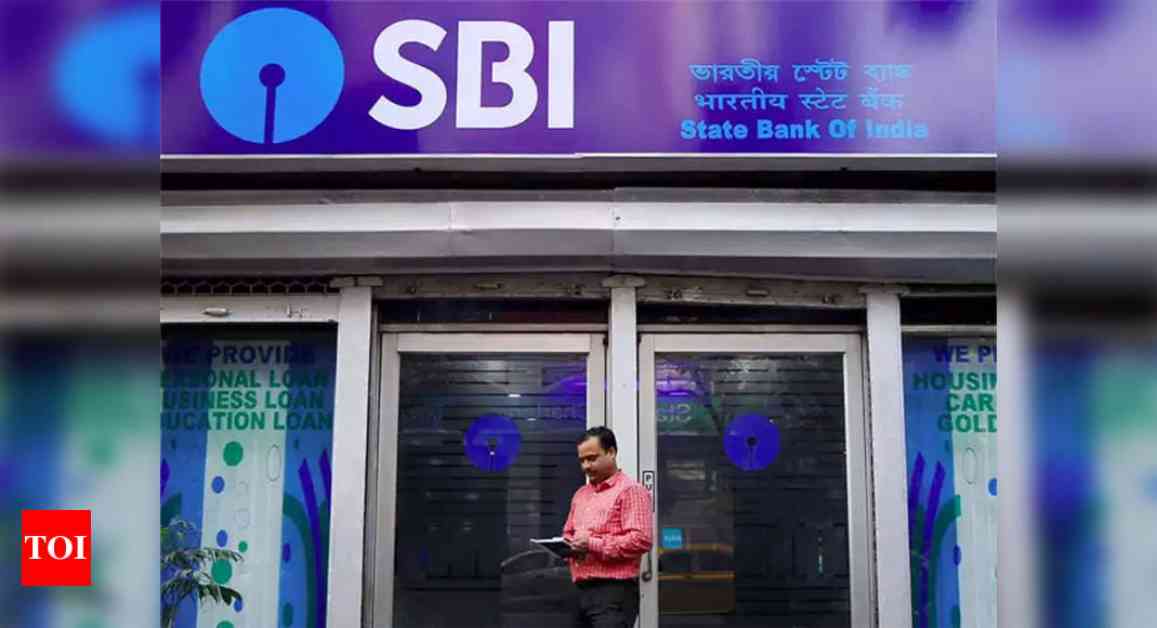
Banking plays a crucial role in personal finance. A good banking relationship can help you manage your money more effectively, access credit when needed, and even earn interest on your savings. Choosing the right bank and the right accounts is an important part of personal finance. For example, a high-yield savings account can help you earn more interest on your savings, while a rewards credit card can help you earn cash back or other perks on your everyday spending.
It’s also important to understand the fees associated with banking. Many banks charge fees for things like overdrafts, ATM withdrawals, and account maintenance. By understanding these fees and choosing a bank that offers low or no fees, you can save money and keep more of your hard-earned cash.
The Impact of Cryptocurrency on Personal Finance
Cryptocurrency is a relatively new and rapidly evolving asset class that has the potential to impact personal finance in significant ways. Cryptocurrencies like Bitcoin and Ethereum offer a decentralized and secure way to transfer value, and they have the potential to disrupt traditional banking and financial systems. However, cryptocurrencies are also highly volatile and come with significant risks. Before investing in cryptocurrencies, it’s important to understand the technology, the risks, and the potential rewards.
One way to get started with cryptocurrency is to invest a small amount of money in a diversified portfolio of different cryptocurrencies. This can help you gain exposure to the asset class while minimizing your risk. It’s also important to stay informed about the latest developments in the cryptocurrency world, as the technology and the market are constantly evolving.
Actionable Financial Advice
Here are some actionable financial tips to help you improve your financial well-being:
- Create a Budget: Start by tracking your income and expenses to understand where your money is going. Use this information to create a budget that prioritizes your financial goals.
- Build an Emergency Fund: Aim to save at least three to six months’ worth of living expenses in an emergency fund. This can protect you from unexpected events like job loss or medical emergencies.
- Start Investing Early: The power of compounding means that even small investments can grow significantly over time. Start investing as early as possible and stay consistent.
- Diversify Your Portfolio: Spread your investments across different asset classes to reduce the risk of losing money in any one investment.
- Understand Your Banking Options: Choose a bank and accounts that offer low fees and high rewards. This can help you save money and earn more on your savings.
- Stay Informed: Keep up-to-date with the latest developments in personal finance, investing, and banking. This can help you make informed decisions and stay ahead of the curve.
By following these tips and staying committed to your financial goals, you can build a strong financial foundation and achieve long-term financial success.
To enhance your financial literacy and make informed decisions, delve into our comprehensive guide on mastering personal and business finance, offering practical advice for managing your money wisely.
To enhance your financial well-being, dive into our latest guide on smart investment and banking tips that can help you make informed decisions in both traditional and cryptocurrency markets.
To stay ahead in the financial game, delve into AI’s impact on finance and discover how it’s reshaping personal finance, investing, and banking strategies.