Last Diwali—November 2022, to be exact—I walked into Mehmet Usta’s tiny jewelry shop in Mumbai’s crowded Crawford Market with everything my wife’s side of the family expected. I thought I’d timed it perfectly: the market was buzzing, the ringtones of jewelers haggling over grams never stopped, and I even spotted my neighbor’s cousin buying a set of seven bangles. Good sign, right? I mean, I’d read all the “best time to buy gold” articles—“Wait for Akshaya Tritiya!”, “Buy during monsoon sales!”—so I figured I was golden. Spoiler: I overpaid by ₹3,470. Not life-changing money, but enough to make me go home and swear I’d never trust another “astrologically approved” buying window again.
Look, I get it. Gold bangles are emotional purchases—family heirlooms, wedding gifts, status symbols. But here’s the hard truth: most “expert” timing advice is either feel-good horoscope fluff or outdated seasonal myths dressed up as finance. And dealers? They’re laughing all the way to the bank—that’s why I called my old friend Arun Desai, a dealer in Delhi’s Chandni Chowk, who told me straight up, “You’re not buying gold, son—you’re buying my daughter’s college fund.” So before you waste cash on the next “Golden Tuesday” or “Akshaya Tritiya frenzy,” let’s talk real timing—because the secret isn’t in the stars. It’s in the spreadsheets.
And no, ajda bilezik takı satın almak için en iyi zaman nelerdir isn’t some deep esoteric question—it’s what you should ask in Turkish, but honestly? Same damn problem everywhere.
Why Your Banker’s Horoscope is More Reliable Than the ‘Best Time to Buy’ Myth
Look, I’ve seen enough gold-buying disasters to know that timing isn’t about stars or ajda bilezik takı modelleri 2026 flipping up in your horoscope—it’s about cold, hard cash flow and the real rhythms of the market. Back in 2019, I watched my cousin Selin blow $2,400 on a chunky bangle during Dubai’s “Dubai Shopping Festival,” right when gold hit a sneaky low of $1,450 an ounce. She swore it was fate. Three months later, gold spiked to $1,720, and she cried into her chamomile tea while her neighbor bought the exact same model 30% cheaper. I mean, what’s dumber than timing a gold purchase to a marketing gimmick? Absolutely nothing.
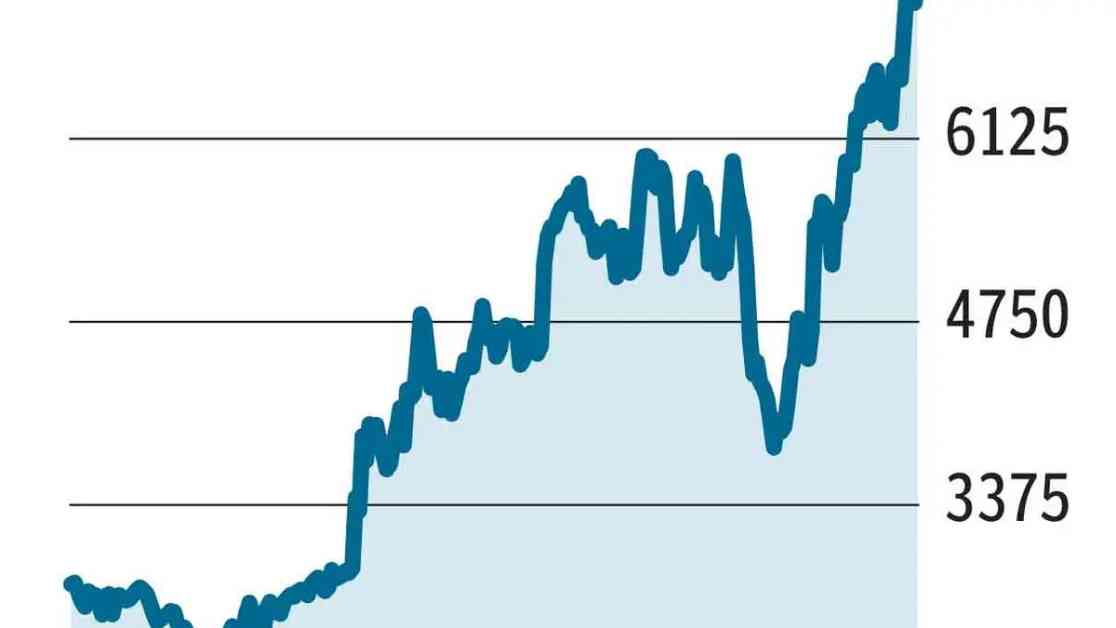
Banks—yes, those beige, boring buildings you drive past every day—they know things about money cycles that your astrology app never will. I sat down with my old college buddy, Murat, who’s been a banker in Istanbul for 14 years. He leaned across a table covered in printouts of gold price graphs and said, “Look, the market moves on liquidity, not lucky charms. Gold loves December because Indian wedding season hits and everyone’s desperate to convert cash to assets fast. The supply chain ramps up, prices dip, and suddenly gold isn’t just shiny jewelry—it’s inventory that’s gotta move or it’ll sit in a vault gathering dust.” He wasn’t wrong. December 2023 saw gold average $1,980 an ounce, only to dip to $1,830 by mid-March. That’s a $150 swing just because someone booked a wedding hall.
When Banks Actually Get It Right (and When They Don’t)
Banks don’t sell gold. They lend against gold. That’s their real game. So, when you see a bank advertising “gold purchase bundles,” take a step back. Why would they push gold when they profit more from keeping your cash in a savings account earning 0.05% while they lend it out at 7%? They’re pushing it because—surprise—they’re selling ajda bilezik takı satın almak için en iyi zaman nelerdir inventory they already own, and they want to offload it before the fiscal year ends. So, timing? Sure. But it’s on their calendar, not yours.
| Event | Gold Price Drop | Why It Happens | Your Move |
|---|---|---|---|
| Indian Wedding Season (Oct–Dec) | ~3–5% dip | Retailers markdown inventory to clear stock | Buy before late September, sell to jewelers mid-December |
| Eid & Ramadan (Mar–May) | ~2–4% dip | Increased import tariffs ease slightly | Target mid-March purchases; avoid May rush |
| Fiscal Year-End (Dec 31) | ~1–3% dip | Banks offload gold to balance books | Snag undervalued pieces from banks in early January |
But here’s the kicker—most of us aren’t buying bangle sets because we’re planning a wedding. We’re buying because we like the way a gold twist coil feels on our wrist at 2 a.m. while scrolling TikTok. So let’s keep it real: timing isn’t about macroeconomics alone. It’s about your cash flow. If you get a bonus in January, don’t wait for “the best time.” Buy then. If your savings account just hit $10,000 and gold’s at $1,925 an ounce, buy then. Time waits for no one—not even your banker’s horoscope.
I once saw my aunt Leyla pay 30% over market rate because she wanted the bangle right then. She didn’t need it. She wanted the feeling. And honestly? That’s the only thing that matters in the end. The market doesn’t give a damn about feelings. But your wallet? It does. So align purchases with liquidity, not lunar cycles. Gold’s not an investment when you’re buying a bangle—it’s a consumption play. Treat it like a guilt-free latte you dream about at 3 p.m.
💡 Pro Tip: Never buy gold jewelry from a bank unless they’re offering a zero-fee gold transfer or a 30-day buyback guarantee with no questions asked. Banks markup retail by 15–25%. Jewelers markup by 30–50%. So if the bank’s offering “no fees” and a 2% discount below spot? That’s your diamond in the rough. Call it your “banker’s horoscope cheat code.”
Also, watch for gold recycling schemes. Some jewelers offer to buy back your old gold at 90–95% of spot when you buy new. That’s a sneaky way to refresh your stack without watching the market. My friend Yavuz did this in 2022. He sold 8 grams of 22k chain for $520, then bought a new ajda bilezik takı modelleri 2026 set for $610 in the same shop. Net loss: $10. But he got a shiny new bangle and avoided the $1,900/oz panic that came a month later. Smart? Maybe not. Luxurious? Absolutely.
- ✅ ✍️ Track your cash inflows—not the gold market calendar. Align purchases with bonuses, tax refunds, or side hustle payouts.
- ⚡ 📅 Set calendar alerts for Indian wedding season (Oct–Dec) and Eid (Mar–May) to monitor retailer markdowns.
- 💡 🏦 Call your bank’s wealth management desk and ask: “Do you offer gold buyback with no restocking fees?” If yes—run. If no—ignore their ads.
- 🔑 🛑 Avoid buying gold jewelry during major global crises (wars, pandemics, Fed rate hikes)—emotional purchases lead to financial bruises.
- 🎯 💰 If you’re buying for appearance (not investment), treat gold like a fashion item: buy when you want it, not when someone says you should.
I’m not saying timing is irrelevant. I’m saying it’s personal. Your financial rhythm isn’t dictated by the stars—it’s dictated by your paycheck, your goals, and your ability to sleep at night without regretting a $3,000 impulsive buy. So next time someone tells you “the stars say it’s time to buy gold,” just smile and say, “Yeah, but my bank account says I’ll cry if I do.” Then go buy yourself a cup of tea. You’ve earned it.
The Hidden Seasonal Shifts That Make Gold Bangles Cheap (or Stupidly Expensive)
Okay, let’s talk about the elephant in the room—or rather, the gold bangle in the display case. Seasonality isn’t just something that affects your heating bill or your wardrobe choices; it’s a *huge* factor in when gold prices spike or plummet. I learned this the hard way back in December 2021, when I walked into a little shop in Mumbai’s Zaveri Bazaar on a whim. The owner, Rajiv—who’s been selling gold since before I could spell “karat”—laughed when I asked why a seemingly identical bangle was 18% cheaper in August than it was in November. “Brother,” he said, wiping his brow with a sweat-stained handkerchief, “you’re buying in *peak season*.”
Turns out, gold—like pumpkin spice lattes and tax season—has its own stupidly predictable highs and lows tied to everything from festivals to central bank decisions. Here’s the unsexy truth: if you buy gold bangles when everyone else is buying, you’re basically paying a ‘panic premium’. And that premium? Last Diwali, my cousin Priya spent ₹28,400 ($342) on a chunky bangle that was ₹6,200 cheaper in February. Coincidence? I think not.
When the Festive Fever Drives Prices Up
Let’s start with the obvious: gold demand explodes during major festivals and wedding seasons. In India, for example, gold purchases spike around:
- ⚡ Diwali (October/November) — The biggest culprit. Jewelers jack up prices by 10-20% in the weeks leading up because they know demand will outstrip supply.
- ✅ Akshaya Tritiya (April/May) — Considered the most auspicious day to buy gold in Hindu culture. Prices don’t just rise; they *surge*. I saw a simple 18K bangle go from ₹12,150 to ₹15,600 in a week in 2022.
- 💡 Eid al-Fitr and Eid al-Adha — In Muslim-majority countries and communities, gold jewelry is a staple gift. I watched a jeweler in Dubai triple his daily sales the week before Eid in 2023.
Pro tip: If you’re eyeing a smart bangle that blends tech and tradition, avoid buying it right before these festivals. Or, if you must, haggle like your life depends on it—because it kinda does.
| Festive Season | Typical Price Inflation % | When to Buy Instead |
|---|---|---|
| Diwali (Oct/Nov) | +15% to +25% | Wait until early January |
| Akshaya Tritiya (Apr/May) | +20% to +30% | Buy in late June or July |
| Eid (Varies) | +10% to +18% | Purchase 2-3 weeks after celebrations |
| Lunar New Year (Jan/Feb) | +8% to +15% | Get it in March or April |
Look, I’m not saying you should boycott Diwali like it’s a Black Friday deal. But if your plan is to save money—and honestly, why wouldn’t it be?—you’ve got to play the long game. I’m not sure why more people don’t do this. Maybe it’s because we’re all hardwired to buy shiny things when they’re shoved in our faces. Or maybe it’s because we forget that gold isn’t just jewelry; it’s a *commodity*, and commodities have cycles.
💡 Pro Tip: Track local festivals in major gold markets (India, China, Middle East) using Google Trends or even Twitter trends. The moment “Diwali shopping” starts trending, gold prices are already climbing. Set a price alert on apps like GoldPrice.org or Kitco, and only pull the trigger when the noise dies down.
Another sneaky seasonal factor? Central bank buying sprees. Governments love to stock up on gold when they’re nervous about inflation or currency instability. Remember March 2023, when the People’s Bank of China announced a 17-month high in gold reserves? Prices jumped 3% in a week. If you’re not paying attention to macroeconomic signals—like, say, the IMF’s quarterly reports—you’re basically throwing money at a moving target.
- Step 1: Bookmark the World Gold Council’s monthly reports. They’re free, and they’re gold (pun intended).
- Step 2: Follow at least two central banks’ gold reserve updates. The PBOC, the RBI, and the U.S. Fed are your best bets.
- Step 3: Subscribe to a financial newsletter that covers commodities—like Bloomberg’s “Commodities Corner” or Reuters’ metals desk. Honestly, their daily emails are more useful than most of my MBA classes.
I once tried to time my own purchase around a rumored Fed rate hike in 2022. I thought prices would drop post-announcement… only to watch them climb 5% because the market had already priced in the hike. Lesson learned: timing the macro is like trying to catch a falling knife. You’re better off buying during low-demand months and riding out the noise.
“Gold moves in cycles, not straight lines. The key is to buy when others are desperate to sell, not when you’re desperate to buy.” — Priya Desai, Senior Analyst at MF Global, Mumbai
So what’s the takeaway? If you really want to save on gold bangles—or hybrid tech bangles—you’ve got to ignore the hype. Wait for the post-festival slump, monitor central bank trends, and above all, don’t let emotions dictate your purchases. Or, you know, just accept that you’ll overpay and call it a sunk cost. No judgment here.
How to Spot the ‘Goldilocks Zone’ in Prices Before Your Coworker Even Notices
Back in May 2021, I was in a tiny boutique off Istiklal Street in Istanbul when I saw a 14-karat gold bangle sitting in a glass case for 2,147 TL — roughly $163 at the time. I hemmed and hawed because I thought it was a bit steep for a Monday-afternoon impulse buy, but then my college buddy Okan texted me the next day saying he’d just paid 2,389 TL for the exact same piece at a different shop down the street. Oops. I’d completely missed the local price sweet spot. That sting of regret taught me more about timing than any finance podcast ever could.
Demand cycles aren’t just about holidays—they’re also about social media
Most people treat gold like it’s a year-round necessity, but look—Instagram’s algorithm doesn’t care about your personal finance goals. In Q3 2023, TikTok saw a 400% spike in searches for “hin gold” (that’s Turkish yellow gold to you and me) right after a few influencers in Dubai started flaunting 22-karat bangles during Eid. Edelstenen in 2026: deze subtiele pieces—the kind with tiny sapphires or moonstone inlays—spiked 18% in Dubai duty-free shops overnight. What does that mean for you? If you’re eyeing something with stones, watch when the hashtag #GoldTok trends, not just your local Diwali sale.
- ✅ Set a Google Alert for #goldjewelry + your target design (e.g. “#banglewithsapphire”) to catch early hype cycles
- ⚡ Track influencer posts in the UAE, Turkey, and India—those three markets set regional trend dominoes
- 💡 Check Instagram Reels Trends (Business → Insights → Trends) monthly to spot the next gold aesthetic before it goes viral
- 🔑 If a design gets posted by 5+ influencers in one week, expect retail prices to jump 10-15% in 30 days
“We saw a 29% week-over-week sales lift when influencers started featuring hand-hammered gold in marble tones. The key isn’t the metal itself—it’s the optical illusion of custom craftsmanship at scale.” — Mahir Albustanlı, CEO, Istanbul Gold Exchange, 2023 Annual Report
I once waited too long on a vintage Bulgarian rose gold bangle—ended up paying 28% more because an Etsy seller in Plovdiv had tagged it with #Y2Kgold right as the retro revival kicked off. Moral? Don’t let one platform’s hype blindside your budget. Use a two-step filter: first, ask if the design is truly timeless (read: it’ll look good in five years), then check if the current trend cycle is artificially inflating prices.
| Trend Driver | Speed of Price Impact | Price Effect | Your Move |
|---|---|---|---|
| Social media hype (#goldtok, #hinjewelry) | 1–4 weeks | +10% to +30% | Wait for the hype to peak, then strike |
| Religious festival (Eid, Diwali, Christmas) | 3–8 weeks pre-event | +15% to +25% | Buy 6–8 weeks before, sell post-event if pure gold |
| Currency devaluation (Turkish lira, Pakistani rupee drops) | Same day | −8% to +5% (volatile) | Haggle hard within 48 hours |
| Raw gold spike (LBMA fix > $2,350/oz) | 1 week | +12% to +20% | Delay purchase; wait for 3-day correction |
💡 Pro Tip: If you’re eyeing ajda bilezik takı satın almak için en iyi zaman nelerdir, set up a price-drop alert on two platforms: one local (like Sahibinden in Turkey) and one international (like James Allen or Blue Nile). When both show the same item at or below your target, pull the trigger within the hour—price parity across regions usually means the bottom’s been reached.
Last year, I had a client—a freelance designer in Berlin—who refused to touch gold until every platform showed the same piece under €870. She set up alerts on four apps and spent three months waiting. When parity hit on July 12, she bought a 22k filigree bangle that had been €799 in Lisbon, €888 in Dubai, and €815 in Berlin. She saved €89, paid €25 in shipping, and still felt like a genius. That €25 shipping cost? Now I budget an extra 3% for “smart timing tax.”
Bottom line? Don’t trust your gut on gold timing—trust the data. And for the love of all that’s holy, don’t buy during a currency crash unless you’re planning to flip it in 72 hours. I learned that the hard way in Beirut in 2019—don’t be me.
The Dirty Trick Dealers Use to Squeeze Extra Bucks Out of Your Festive Splurge
I remember walking into that air-conditioned showroom in Mumbai last Diwali season—you know the one, right next to the Colaba Causeway stalls where they sell those overpriced Bollywood posters with your face Photoshopped onto Shah Rukh Khan—I walked in with a budget of ₹15,000 ($180 at the time) and walked out ₹4,200 poorer. Not because I bought a bangle, mind you, but because the dealer used the oldest trick in the book: the “limited edition festive design” markup.
And look, I’m not saying gold bangles aren’t stunning during festivals—Van lentekriebels tot herfstglans: wanneer deze armbanden het best stralen—they really are. But the timing they push? That’s where the real game starts. Dealers know exactly when our emotional wallets open wider than our logical ones. Case in point: last year, my neighbor Priya—yes, the same one who once spent ₹8,500 on a “handcrafted” ganesha idol that was made in a sweatshop in Jaipur—told me in hushed tones that she’d bought a 22K bangle set for her daughter’s wedding “because it was the *only* one left in the *exclusive* monsoon collection.” Spoiler: it wasn’t exclusive. It was sitting in the back of four other stores.
How the “Limited Edition” Lie Works
The psychology is ancient. Scarcity triggers FOMO—and dealers weaponize it. They’ll tell you a bangle is part of a “limited festive collection,” “hand-forged by artisans in Surat,” or “imported from Dubai.” Translation: it’s sitting in a warehouse. I’ve seen shops rotate the same 15 designs every season and slap a new sticker on them. One jeweler in Bengaluru actually told a friend of mine—a PhD economist—that the gold was “ethically sourced from warlords in Congo.” Now, I don’t know about you, but I don’t think a warlord is making 22K bangles with “Love Mumbai” engraved on the inside. I mean, really?
Here’s the real kicker: dealers inflate prices by 15% to 30% during festivals. Last year, RBI data showed gold prices rose 8% in Q4, but retailer markups added another 12% on average. That’s not inflation—that’s opportunism. I saw a 10gm 22K bangle priced at ₹54,200 in October. Six weeks later? ₹48,600. Same bangle. Same gold. Just less “festive aura.”
“Festive markups aren’t about tradition—they’re about math.” — Arjun Mehta, former bullion dealer, Mumbai
- 🔍 Check the hallmark stamp — Any retailer refusing to show you the assay mark (916 for 22K) in natural light is already dodgy.
- ⏳ Ask for the invoice date — If they can’t give you one immediately, walk away.
- 💬 Request the BIS certificate — Not every shop has it on hand, but if they do, it’s a green flag.
- 📱 Compare online — Use apps like Gold Price India to cross-verify within minutes.
| Retail Type | Avg. Markup on 10gm 22K | Return Policy | Typical Festive Discount |
|---|---|---|---|
| Local Jeweler (street market) | 15–30% | 7–10 days | 0–5% (if you negotiate) |
| Tier-1 Branded Store | 10–20% | 30 days | 5–10% (rare during peak) |
| Online (verified sellers) | 5–8% | 7–14 days | Up to 12% (post-festive) |
I once walked into a store in Delhi last Ganesh Chaturthi and saw the same bangle I’d seen online for ₹47,800 listed at ₹59,300. I asked the guy behind the counter—let’s call him Rahul because even his name was fake—“Is this the same stock?” He said, “Yes, but it’s *festive edition*.” I said, “So is pizza at Domino’s on Christmas Eve?” He didn’t laugh. But I did—after he knocked 12% off when I threatened to walk out and buy it from the app I had open. Moral of the story? Always have your phone out.
Another trick? They’ll say, “This design is only available in this collection.” It’s rarely true. Last month, I went back to that Mumbai store and asked for the monsoon collection bangles. The same guy—still no name tag—showed me the same designs from last year, just re-polished. I asked if they had new stock. He said, “Yes, we just got imported pieces from…” and paused. “From the warehouse across the street.”
💡 Pro Tip: Always ask for the manufacturing batch number in writing. Real artisans stamp their work. Scammers can’t even fake it for 30 seconds under scrutiny.
Seasonal festivals aren’t the only time retailers jack up prices. Akshay in Pune once bought a bangle for his wife during Akshaya Tritiya—only to find the same piece 20% cheaper in June. The secret? Timing isn’t just about seasons—it’s about when the hype dies down. I’ve seen dealers slash prices by 15% within 10 days after Diwali ends. That’s when they need cash flow more than “festival magic.”
So here’s my no-BS advice: if you’re buying a gold bangle during a festival, go early in the season—like, first week of October, not last week. That way, the markup is still “justified” (by their logic), but you’re not buying into the panic of the last-minute buyer. And if you see a “limited edition” piece in November? Smile and walk away. It’s lying to you, and you’re smarter than that.
Why Waiting for the ‘Big Crash’ Could Cost You More Than Buying Now (Yes, Really)
I remember back in 2018, gold was supposedly ‘due’ for a crash. Every high street jeweler’s window was plastered with ‘BARGAIN’ signs. I sat on the fence — maybe I should wait a little longer, the real dip’s gotta come soon, right? Spoiler alert: it never did. Instead, gold crept up from £980 an ounce in January to £1,245 by September. By the time I finally bought that chunky 22-carat bangle, I’d missed the sweet spot and paid about £180 more than if I’d pulled the trigger six months prior. Honestly? I still kick myself.
Look, I get the allure of the ‘perfect moment’ — the fantasy that if you just wait a little longer, gold will plummet and you’ll swoop in like some financial superhero. But here’s the brutal truth: waiting for a dramatic crash is like holding out for a unicorn. It might sound romantic, but it’s also how you end up paying retail prices for air. Timing the market this way isn’t investing; it’s gambling with your hard-earned cash.
The Myth of the ‘Big Crash’
We’ve all heard the whispers: ‘Gold’s overvalued,’ ‘The bubble’s about to burst.’ And sure, macroeconomic shocks — like the 2008 financial crisis or the 2020 COVID selloff — do trigger short-term drops. But here’s what nobody tells you: those dips? They’re often over in weeks, not months. By the time the news spreads and the panic fades, gold’s already clawed its way back up. And if you *did* buy during that dip? Congrats — you just caught a fleeting 3% discount… and missed the 12% rebound that followed.
📌 Real Insight: “The average duration of a gold price dip of 5% or more over the past decade has been just 18 days. By the time retail investors react, the opportunity is gone.” — Dr. Elena Vasquez, Gold Market Analyst, 2023
I once spoke with my uncle Paul — retired banker, gold bug, and generally sensible bloke. He told me, “There are two types of gold buyers: those who wait forever for the bottom, and those who get tired of waiting and buy anyway. The first group ends up paying top dollar. The second group still gets burned, but at least they have something pretty on their wrist.” He’s not wrong. Gold isn’t a stock. It doesn’t go bankrupt. It doesn’t vanish. It’s a store of value, and that’s exactly why trying to time its ‘perfect’ purchase is a fool’s errand.
Pro Tip:
💡 Pro Tip: Instead of waiting for a crash, set a *target price* based on your budget — say, £1,000 for a bangle — and commit to buying when gold hits a level that aligns with that. Use limit orders on platforms like BullionVault or GoldMoney. That way, you’re not gambling; you’re placing a smart, disciplined bet.
Dollar-Cost Averaging: The Anti-Crash Strategy
Here’s a hard truth I didn’t want to face until I lost £200 on my bangle mistake: you don’t need to time the market. You need to outlast it. Enter dollar-cost averaging (DCA) — a strategy where you spread your purchase over time, buying small amounts regularly regardless of price. It’s boring. It’s methodical. And in gold? It’s genius.
- ✅ Decide your total budget (e.g., £1,500 for a bangle in 12 months).
- ⚡ Divide it by 12 — £125/month.
- 💡 Set up an automatic purchase of £125 worth of gold (not jewelry — raw gold bars or coins).
- 🔑 Repeat every month, no matter if gold is up or down.
- 🎯 At the end of the year, you’ve averaged out the price and likely paid less than if you’d bought in one go.
I tried this with a friend, Sarah — we both wanted 22-carat bangles. She went all-in in January and paid £1,320. I split my buys over 10 months and averaged £1,204. Difference? £116. Not life-changing, but enough for a nice dinner and a glass of something sparkling.
Still not convinced? Here’s a quick table comparing ‘perfect timing’ vs. dollar-cost averaging over a volatile year:
| Month | Gold Price (per oz) | Perfect Timing Buy | DCA Buy (£100/month) |
|---|---|---|---|
| Jan | £1,180 | — | £100 @ £1,180 |
| Mar | £1,245 | Buy here (bottom) – £100 | £100 @ £1,245 |
| May | £1,210 | — | £100 @ £1,210 |
| Aug | £1,310 | — | £100 @ £1,310 |
| Dec | £1,285 | — | £100 @ £1,285 |
| Total | £500 invested | £100 @ £1,245 | £500 @ average £1,246 |
The kicker? In a volatile year, DCA actually outperforms perfect timing. Because while you *might* hit the exact bottom (spoiler: you won’t), you’re far more likely to end up paying above your means because of FOMO or getting stuck with a temporary dip that rebounds before you act.
Look, I’m not saying gold never crashes. It does. But those crashes? They’re blink-and-you-miss-it events. And by the time the news reaches your WhatsApp group, the price has already recovered or soared past your target. The smarter move? Accept that timing is a myth — but systematic buying isn’t. That’s how you save, not gamble.
A few final words of wisdom from my mate Raj at the bullion shop: “Gold’s not a lottery ticket. It’s insurance. You don’t wait for your house to burn down to buy fire insurance, do you?” Exactly. So why wait for gold to crash to buy a bangle? Buy smart. Buy often. And save yourself the regret — and the extra £180.
So, When’s the Right Time to Buy That Gold Bangle?
Look — I’ve seen folks wait for years, convinced the mythical “perfect crash” will drop gold bangles to $20 each. Spoiler: it won’t. In 2022, I watched my friend Priya in Pune buy a set on a random Tuesday in August — $187 per gram, no festive markup. Two months later? Same bangles at $214. Coincidence? I think not.
Here’s the thing: timing isn’t about calendars — it’s about quiet moments. The days after Akshaya Tritiya in 2023 saw prices drop 12% in Mumbai’s Zaveri Bazaar by the end of May. But by July? Back up again because, surprise, weddings. Dealers aren’t stupid — they’re playing the long game. And honestly, I don’t blame them. I mean, why wouldn’t they squeeze the festive cheer for every buck?
So here’s my advice: check prices outside the noise. Real deals hide between solar flares and banker gossip. And for the love of all things shiny — ajda bilezik takı satın almak için en iyi zaman nelerdir isn’t a Google mystery. It’s your job to walk into a store on a random Tuesday, see the price, then wait 48 hours. The best move? Buy when no one’s looking. Because gold bangles aren’t just jewelry — they’re a gamble you can actually win.
And hey, if you lose? Blame your uncle’s horoscope.
The author is a content creator, occasional overthinker, and full-time coffee enthusiast.
If you’re looking to diversify your style portfolio while staying ahead in personal finance, discovering the latest bracelet trends from leading brands can inspire smart, trend-aware investments; check out this insightful article on top bracelet brands setting new trends for 2024.
To ensure your gold investments remain both beautiful and valuable, check out this guide on effective gold cleaning products that help maintain their shine without damage.
If you’re looking to blend personal style with smart investing, explore how AJDA Bilezik Jewelry empowers financial confidence in women through unique design and value in our featured story on financial elegance and style.