

Smart guide to handling personal finance around a death in Spain
Clear, practical advice for readers managing finances after a death in Spain: notification steps, bank actions, and avoiding common pitfalls.

When a death touches a family, money matters can overwhelm the immediate tasks. This guide explains practical steps for handling finances after a death in Spain, with clear actions you can take today. You’ll learn how to notify banks, manage estates, and safeguard assets during a painful time.
You’ll see how to document the event, communicate with institutions, and avoid common delays that cost time and money. The goal is to give you a calm, steady process you can follow, not a rush through red tape.
Later sections map practical sequences, from reporting the death to updating wills and accounts, so you can protect heirs and ensure obligations are fulfilled without unnecessary fees or friction.
- This guide offers a practical, step-by-step approach to handling finances after a death in Spain. It covers notifying banks, gathering assets, and meeting tax duties with clarity.
- Each H2 provides concrete actions, from collecting documents to appointing an executor and filing taxes.
- The article emphasizes careful record-keeping, written confirmations, and professional help where needed.
Basics and timing
Notify the authorities and banks
Start by documenting the death with the appropriate authorities in Spain and obtaining a formal death certificate. Contact banks and financial institutions to flag the account as deceased, which prevents unauthorized access while allowing estates to be settled. Gather key documents: death certificate, will (if any), and a list of assets and debts. A useful resource on this topic: comunicar un fallecimiento en España.
This stage sets the boundary for estate handling and is often the most time-sensitive. Early communication reduces the risk of blocked payments or expired mandates. Expect some institutions to request certified copies; ask where to send originals and how many copies are needed.
Be mindful of local timing rules and jurisdictional requirements, which can vary by region and bank. If you have a power of attorney, confirm its status after death to avoid invalid directives. Create a simple checklist you can reuse for other accounts.
- Make a short list of all bank accounts and investments to notify.
- Ask for written confirmation of each notification.
- Record any reference numbers or contacts for follow-up.
- Schedule a follow-up call if documents are missing.
Estate inventory plan
Create a basic inventory of the deceased’s assets and debts. Separate liquid assets from properties and investments, noting any outstanding loans or bills. This inventory will guide how assets are distributed and what taxes may apply.
Use simple spreadsheets or templates to track values, dates, and ownership. Avoid guessing; rely on recent statements and valuations where possible. Update the list as new information arrives to keep decisions grounded in reality.
Verify whether there is a will and who is named executor, since that determines who handles the estate. If there is no will, you’ll proceed under local intestacy rules, which can affect beneficiaries and timelines.
- List bank accounts, investments, and physical assets.
- Note all debts and recurring obligations.
- Record key dates for probate or notification deadlines.
- Keep copies of all documents in a single, secure folder.
Income and bills afterward

Pause or redirect payments
Determine which bills must continue during estate settlement, such as mortgage, utilities, and essential insurances. Ask banks or service providers to place a temporary hold or to reroute payments to the estate executor’s account if needed. Clarify when each bill will resume normal processing to avoid late fees. A useful resource on this topic: Deportes Noticias online.
- Identify ongoing bills
- Inform providers of death
- Request holds or redirects
- Monitor estate cash flow
Keep a running balance of estate funds and expected incoming sums, like life insurance or final pay if applicable. If you receive pension or benefits, inform the provider of the death and ask about any pending deposits or reversals.
Document all changes in writing and store confirmations with your other estate records to prevent disputes later.
- Ask for a 'death-absence' hold on accounts if allowed.
- Set alerts for bill due dates during probate.
- Confirm payment recurrences with each provider.
- Record receipts and confirmations of changes.
Access to funds safely
Access to funds should be controlled and properly authorized. The executor or administrator should request bank letters showing their authority to manage accounts. Do not withdraw funds without confirmed authorization, as improper access can trigger fraud alerts or legal action.
If the estate is large or complex, consider a temporary account opened in the executor’s name to manage estate expenses. Keep personal accounts separate to avoid commingling funds, which can create tax or probate complications.
Maintain a clear trail of every monetary movement with dates, amounts, and purpose to simplify reporting for heirs and tax filings.
- Use a bank-issued authority letter
- Avoid using personal accounts for estate funds
- Keep receipts for all estate expenses
- Prepare a simple monthly report for heirs
Wills, inheritance, and taxes
Interpreting the will
If a will exists, read it to identify beneficiaries, executors, and specific bequests. If the will names an executor, coordinate with that person to begin probate and asset transfer. When unclear, seek legal guidance to interpret provisions and ensure compliance with Spanish law. A useful resource on this topic: añadir un evento en España.
Wills can specify asset distribution and tax considerations. Follow the document’s instructions closely to minimize disputes and delays. If the will contradicts local law, legal advice can resolve conflicts while protecting beneficiaries.
- Verify executor details and contact
- Check for asset-specific bequests
- Note any conditions attached to inheritances
- Document dates of signing and witnesses
| Action | Pros | Cons |
|---|---|---|
| Notify banks | Stops unauthorized access | May require copies of documents |
| Inventory assets | Clear view of estate | Time-consuming to collect all records |
| Consult a lawyer or tax advisor | Professional guidance | Costs may apply |
Tax considerations
Estate taxes and beneficiary implications vary by region and asset type. In Spain, confirm whether any inheritance tax is due and who pays it, typically the beneficiary unless otherwise arranged. Keep records of all inheritances and related expenses for the final tax return.
Engage a tax professional to help compute the tax base and exemptions applicable to your situation. Do not rely on informal estimates or generic rules from online sources. Accurate filings protect heirs and reduce the risk of penalties.
Plan for future filing requirements, such as annual income or capital gains taxes triggered by inherited assets. Timely, precise reporting reduces uncertainty for heirs.
- Identify regional tax rules
- Collect documentation for heirs
- Consult a tax professional
- Track deductible expenses and exemptions
Assuming all assets are in one place is risky; estates often include accounts abroad or in different banks.
Common pitfalls and how to avoid them

Mistakes to avoid
Rushing through notifications can create gaps in asset control and lead to overlooked debts. Take time to contact every institution, request written confirmations, and keep a centralized file. Rushing can also trigger erroneous withdrawals or misdirected payments. A useful resource on this topic: añadir tu negocio en España.
- Avoid sending money before proper authorization
- Do not discard documents before probate completes
Assuming all assets are in one place is risky; estates often include accounts abroad or in different banks. Gather statements from all institutions, not just the major ones, to prevent surprises during probate.
Failing to appoint an executor or to understand local probate rules can stall the process. Clarify roles early and revisit the plan if family circumstances change.
- Don’t skip smaller or offshore accounts
- Get written confirmations
- Keep a centralized file
- Revisit executor designation if needed
Practical tips for families
Create a simple, shared checklist that covers notifications, asset lists, and deadlines. This provides a clear workflow and reduces confusion for relatives. Use plain language in all communications to prevent misinterpretation.
Keep insurance policies informed about the death to ensure beneficiaries and payouts are handled correctly. Review document procurement processes and confirm how to receive any death benefits.
Set expectations with heirs about timelines and possible delays. Transparent communication reduces disputes and helps everyone plan better.
- Share a single, updated contact list
- Update beneficiary designations if applicable
- Prepare a basic timeline for probate
- Record all communications with institutions
Practical steps for notifying creditors and banks
Notifying creditors correctly
When someone dies, creditors must be informed to pause or settle accounts. Gather the death certificate, the will if available, and the deceased’s bank details. Contact banks, utility providers, and loan companies in writing to establish who is responsible for ongoing payments. segunda mano en España
- ☐ Collect the death certificate and a copy of the will if present
- ☐ Notify banks and lenders in writing with a formal request
- ☐ Ask for a statement of all debts and ongoing payments
- ☐ Keep a dated record of every contact and reply
Prepare a checklist of institutions to contact, including mortgage lenders and pension agencies. Use registered mail or official channels to create a traceable record. If you’re unsure, ask a financial advisor about prioritizing urgent bills and confirming payment suspensions.
Keep receipts and confirmations of all communications. This helps prevent double charges or missed reminders during the settlement process. Track timelines carefully so you don’t overlook due dates for essential services.
- Identify all financial accounts and beneficiaries
- Request account closures or freezes where needed
- Ask for a final statement of the deceased’s debts
- Set up automatic reminders for critical deadlines
Handling sudden expenses and recurring bills
During the first weeks, there may still be essential costs like housing, utilities, and health-related charges. Prioritize essential bills to avoid service disruptions. Banks can often offer temporary relief, such as payment pauses or revised due dates.
If there’s a joint account or a shared mortgage, confirm who continues payments and who signs new authorizations. Clarify rights with co-owners and beneficiaries to prevent unauthorized withdrawals. Documentation helps protect survivors from error or fraud.
Create a simple budget for a few months that reflects slowed income and ongoing costs. Track every expense and adjust as the estate process unfolds, so cash flow remains stable for basic needs.
- Confirm signatories for joint accounts
- Request temporary payment relief from lenders
- Separate personal and estate funds clearly
- Document all adjustments to bills and dates
Estate documentation and asset sequencing
Organizing the essential papers
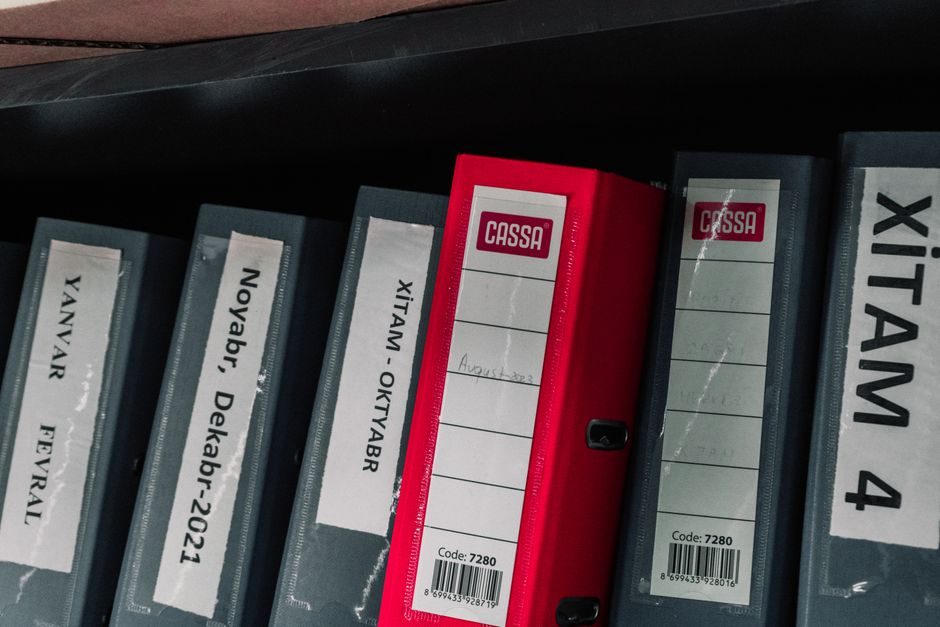
The estate needs a clear file system: wills, death certificates, probate documents, and bank statements. Create labeled folders for each category to speed up requests from institutions. A digital copy of key papers in a secure cloud can help if originals are lost.
Assign one trusted person as the point of contact for gathering documents and communicating with agencies. Share contact details with your adviser to streamline updates. Maintain a running log of every document received and sent.
Review assets and liabilities to estimate the estate’s size and tax implications. Early cataloguing helps decide whether probate is necessary and what forms must be filed. This upfront work reduces delays later.
- Create a folder system for documents
- Keep digital backups of originals
- Appoint a document custodian
- Record every receipt and correspondence
Tax considerations and probate basics
Spain’s tax rules around estates depend on the relationship to the deceased and the value of inherited assets. Understanding when inheritance tax applies can prevent surprises at the door of the Notary. Consult a local tax adviser if you’re unsure about rates or exemptions.
Probate can take time, especially with complex holdings or foreign assets. Plan for a longer settlement period and set expectations with heirs. Keep beneficiaries informed about progress and any required steps.
Document all estate distributions and keep tax filings organized. Clear records help with audits, beneficiary allocations, and any future disputes. If you receive a tax assessment, respond promptly to avoid penalties.
- Know who pays inheritance tax
- Anticipate probate timelines
- Maintain transparent beneficiary communications
Beneficiary communications and ongoing income planning
Discussing the plan with heirs and executors
Bring together beneficiaries and the executor to review the estate plan. Clear conversations reduce later disputes and set expectations about distributions. Use written notes from the meeting to confirm decisions.
Explain any conditions tied to assets, such as trusts or real estate restrictions. If beneficiaries expect quick payouts, show realistic timelines and the steps required to release funds. A documented plan helps manage trust in the process.
After meetings, distribute a summary of decisions and next steps. This creates accountability and a roadmap for the estate’s administration. Keep communications focused and factual to avoid disagreements.
- Summarize decisions in writing
- Clarify asset-specific conditions
- Provide a timelines and next steps document
Protecting survivor finances and access rights
Survivors should understand their rights to access accounts used for daily expenses. In some cases, banks allow account nominees to step in during estate settlement. Ask for temporary access to needed funds while continuing to manage obligations.
Security is crucial. Change passwords, review pending card charges, and alert creditors about the death to prevent fraud. Limit online access to sensitive accounts until a trusted executor is in place.
Consider setting up a simple budget for ongoing living costs during probate. Track income from any life insurance or pensions and align it with essential bills. A steady plan reduces stress during the transition.
- Request provisional access where allowed
- Implement account security measures
- Create a practical living-budget plan
Legal pitfalls to avoid and how to fix them

Avoiding common missteps in estate matters
Missing deadlines for probate or tax filings can create penalties or delays. Keep a calendar of important dates and set reminders for yourself or the executor. Timely action helps preserve estate value.
- Missed deadlines lead to penalties
- Verbal agreements cause disputes
- Unverified asset transfers cause tax issues
Relying on informal arrangements or verbal agreements can lead to disputes. Use written records, official forms, and notarized documents when possible. Clarity reduces future conflict among heirs.
Mistakes in asset distribution can trigger tax liabilities or lender disputes. Double-check beneficiary designations and ensure all assets are accounted for before closing accounts. A careful review saves time and money.
- Track probate deadlines
- Use written records
- Verify beneficiary designations
Engaging professionals wisely
A local solicitor or probate specialist can speed up the process by handling forms and deadlines accurately. Look for someone with experience in cross-border assets if applicable. A professional guide reduces errors and anxiety.
Financial advisers can help realign the family budget, review tax implications, and set a practical payout plan for heirs. Ask for a clear fee structure and expected timelines. They should help you prioritize tasks and stay within legal boundaries.
Choose professionals who communicate in plain language and respect your timelines. Ask for written estimates and a plan that outlines each step. Good coordination keeps the process moving smoothly.
- Check qualifications and experience
- Ask for written fees and timelines
- Prioritize clear communication
Frequently asked questions
Are there specific rules for inheritance tax in Spain?Spain has regional rules and exemptions that affect how much is payable and when. The tax framework distinguishes between relationships, asset types, and the value of the estate. A local tax adviser can translate these rules into actionable steps for your family.
Can I pause mortgage payments during probate?Some lenders offer temporary relief or modification of payment schedules while the estate is being settled. Contact the mortgage holder with documentation about the death and the executor’s authority. Each case depends on the lender’s policy and the estate's funds.
What documents should the executor prepare first?A death certificate, the will if present, the executor appointment, and a list of assets and debts are essential. These documents speed up banking requests, probate filings, and tax submissions. Keep originals and secure copies of everything.
How long should I expect to wait for distributions?Distributions occur after debts and taxes are settled and may take weeks to months. The timeline depends on asset types and whether probate is required. Regular updates to heirs help manage expectations.
Next steps for ongoing planning
In the weeks after a death, focus on creating a clear, actionable plan that keeps essential payments covered. A steady approach helps protect the family’s financial stability while the estate unfolds.
Then map out a realistic timeline for probate, asset transfers, and distributions. Keeping timelines visible reduces confusion and makes coordination easier for everyone involved.
Add India Business News as a preferred source on Google


