

Smart steps: how to handle avis d’obsèques en France in your finances
A practical guide for Indian readers: how end-of-life notices in France affect estates, banking, and planning. Understand costs, timing, and paperwork.

When a death touches a French estate, it can ripple into your finances across borders. This guide explains how avis d’obsèques en France affects banking, inheritance steps, and planning. You’ll learn practical actions you can take now to avoid delays and penalties.
Know what to expect: notification timing, duties for executors, and the way banks handle accounts linked to a deceased person. With clear steps, you can protect assets and ensure smooth transfers.
You’ll also see how to align French procedures with Indian financial planning, including documentation and timelines, so your family isn’t surprised by fees or paperwork when grief is fresh.
- This guide helps Indian readers understand how avis d’obsèques en France affects banking and estate planning. It offers concrete steps to prepare, document, and act quickly.
- You’ll learn how assets are held, what documents trigger access, and how to coordinate French procedures with Indian tax and reporting requirements.
- The article outlines common pitfalls, keys to better timing, and practical steps to protect family liquidity and rights across jurisdictions.
Basics of cross-border notices
Understand the notice purpose
The notice serves to alert family members and banks that a death has occurred and that estate steps will follow. It signals where assets are held and what documents will be needed to access them. This early clarity helps prevent delays in funds and accounts. avis d’obsèques en France is a formal notice that triggers estate handling and banking steps.
The notice can trigger bank freezes or account review, especially for joint accounts or pension-linked assets. Being aware of this helps you plan for temporary access and replacement arrangements.
In practice, expect a short communication from funeral providers and local authorities that may reference legal timelines and required paperwork for the estate.
- Know applicable deadlines
- Identify financial accounts
- Plan for temporary access
- Prepare needed documents
- Coordinate with heirs
Key documents you’ll need
Documents are the backbone of claims and transfers. Gather death certificates, a will if one exists, and any power of attorney that might apply to estate matters. Banks will want proof before releasing or freezing assets.
You’ll also need identification and proof of address for executors or heirs, plus any probate orders from France or India. Start assembling these early to avoid last-minute scrambles.
Keep copies in a secure digital folder and maintain a master checklist to track what’s submitted and what remains outstanding.
- Death certificate
- Will or testament
- Executor appointment
- Power of attorney
- probate orders
Planning around accounts and transfers

Assess how assets are held
Different asset types—savings, fixed deposits, investments—have distinct rules after death. Joint accounts may pass automatically; standalone assets often require probate. Knowing the structure helps you plan timing. Actu Français à la une appears as a news item that can influence public perception and timing of filings.
If you’re unsure, contact the bank to confirm whether any funds are blocked or require consent from a French notary. This avoids wasting days on uncertain steps.
Map out which assets move first, which need documentation, and which can be accessed with limited power of attorney.
- Joint vs sole accounts
- Provisional access rules
- Notary requirements
- Order of asset transfer
- Timed milestones
Coordinate with Indian financial planning
Cross-border processes often collide with domestic tax and inheritance rules. Align timing for asset transfer with Indian tax deadlines and reporting requirements to avoid penalties.
Communicate with your tax advisor about potential overseas asset declarations and the way French estates influence Indian wealth declarations.
Keep a calendar of deadlines for both jurisdictions to prevent last-minute rushes or missed filings.
- Tax alignment
- Overseas asset reporting
- Joint calendar
- Documentation continuity
Common pitfalls and warnings
Watch for delays and fees
Estate processing can stall if documents arrive late or are incomplete. Banks may charge administrative fees for probate, account freezes, or correspondence. Being proactive with documentation reduces these costs. agenda des événements en France can affect scheduling of notary appointments and deadlines for paperwork.
Understand that delays also affect beneficiaries, who may need funds for immediate expenses and care. Plan for temporary liquidity, such as a short-term loan or overdraft facility where available.
Always verify if French deadlines intersect with Indian banking cycles to avoid penalties and interest that compound over time.
- Late filings
- Additional fees
- Beneficiary liquidity
- Cross-border timing
- Verification steps
| Path | Process | Typical time |
|---|---|---|
| French probate | Notary-led | Weeks to months |
| Indian probate | Court-led | Months to years |
| Joint accounts | Automatic transfer | Days to weeks |
Legal terms that matter
Terms like succession, notary, and probate have specific meanings in France that affect timing and control of assets. Misunderstanding can delay access or transfer of funds.
Consult a lawyer who understands cross-border estates or rely on official bank guidance to interpret requirements. Clarity here prevents costly missteps.
Document your authority and ensure it matches the French terms used by institutions handling the estate.
- Succession rules
- Notary role
- Probate process
- Authority documents
- Cross-border compliance
Assign a primary point of contact who can communicate with banks and legal advisors.
Practical steps you can take now

Make a readiness plan
Create a simple action plan for family members with roles, timelines, and required documents. A clear plan reduces confusion during a stressful period and speeds up processing. référencer votre société en France refers to listing or referencing your business for credibility and potential cross-border services.
- Draft a one-page readiness plan for the family.
- List contacts for banks and lawyers.
- Review beneficiary designations now.
Assign a primary point of contact who can communicate with banks and legal advisors. This minimizes back-and-forth and ensures consistency.
Review insurance and pension provisions to understand how a death affects payouts and beneficiary designations.
- Assign roles
- Set timelines
- Check beneficiary details
- Coordinate with advisors
Know where to get help
Use official channels and trusted financial professionals when handling France-based assets. Online portals for notaries or banks often provide step-by-step guidance for executors and heirs.
If you’re unsure about the next move, book a consult with an international estate planner or a cross-border tax expert to avoid costly errors.
Document requests from institutions carefully and respond promptly to keep the process moving.
- Official portals
- Professional consultations
- Prompt responses
- Documentation hygiene
Financial sequencing in foreign estates
Estate transfer order and timing
When someone dies overseas, assets may need to be identified and frozen before probate begins. Start by listing all accounts, investments, and debts tied to the deceased, then separate joint from sole ownership. This helps avoid delays caused by unclear holder information or missing documents. annonces d’occasion en France
Coordinate with a local attorney or notary who understands cross-border rules. They can outline the sequence for notifying banks, the tax authorities, and the executor. A clear plan reduces the risk of assets being blocked or misdirected during early estate handling.
- Create a centralized inventory of accounts
- Identify joint vs. sole ownership
- Notify relevant institutions promptly
- Agree a timeline with the executor
Tax implications across borders
Income tax and inheritance tax duties
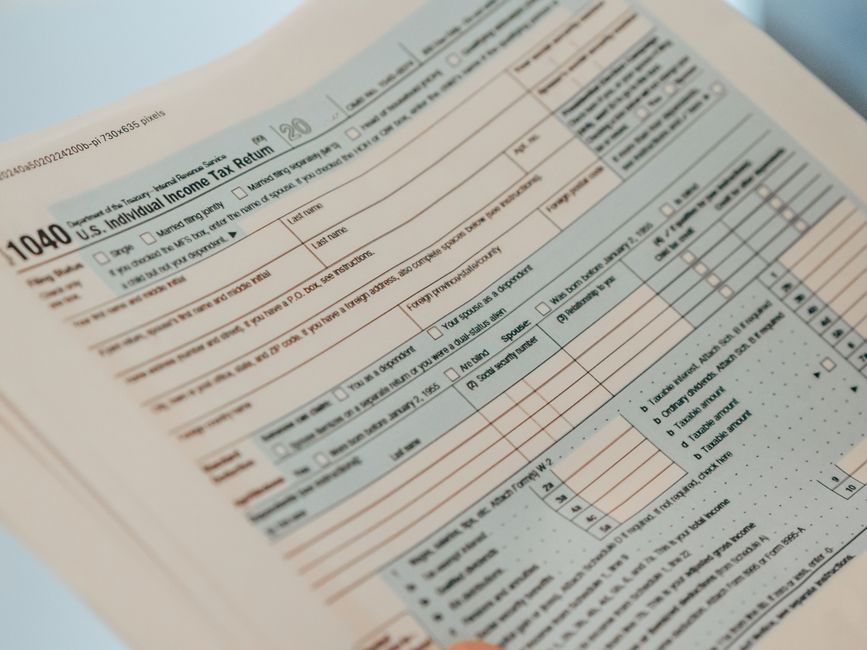
Cross-border estates may trigger different tax obligations for income and inheritance. Start by identifying whether the deceased paid taxes in the country of residence and whether any treaty applies. Keep records of all inheritances and any tax relief you might claim in your country of residence.
- Be aware that some jurisdictions allow step-up in basis; others do not.
- Tax treatment varies by asset type and residence status.
Consult a tax professional who understands both jurisdictions before distributing assets. They can help you estimate potential liabilities and plan withdrawals that minimize penalties. Avoid rushing distributions if a tax bill could be reduced by timing considerations.
- Gather last year’s tax filings
- Check for double taxation treaties
- Document all inherited assets for accurate valuation
- Plan distributions with tax impact in mind
Notary and probate realities
Probate process and document needs
Notaries and probate courts in different countries require varying documents. Expect certified death certificates, wills, and proof of executorship to be requested, sometimes in multiple languages. Incomplete files often cause delays in releasing funds or transferring ownership.
A local attorney can prepare translations and ensure papers meet both jurisdictions’ standards. They can also advise on whether a French notary or a banker’s daybook will handle transfers. Understanding exact document requirements saves time and reduces the risk of rejected submissions.
- Secure identity documents early
- Obtain court appointment of executor
- Prepare multilingual versions of key papers
- Verify asset transfer forms before submission
Digital records and security

Digital access and safeguarding assets
Online banking and e-documents simplify management but introduce new risks. Begin by listing all digital accounts owned by the deceased and changing access where appropriate. Use robust passwords, two-factor authentication, and timely revocation of access for beneficiaries who should not be able to act prematurely.
- Change passwords and secure emails
- Set up professional access for executors
- Monitor accounts for unusual activity
- Back up important documents securely
Frequently asked questions
Who is responsible for notifying banks and institutions about the death?Typically the executor or administrator, named in the will or appointed by the court, coordinates communications with banks, insurers, and government agencies. Clear identification documents and a death certificate are usually required, along with a copy of the probate order. This process can vary by country, so follow local guidance to avoid delays.
Can I access deceased family member’s accounts before probate?Access is generally restricted to prevent misuse. In some cases, banks may offer limited access for routine payments or ongoing expenses, but you usually need a power of attorney or a court authorization. Rushed access can lead to penalties or disputes, so seek professional advice before attempting to access any account.
How do taxes affect the distribution of assets cross-border?Tax rules differ by jurisdiction and asset type, so it’s essential to map liabilities before distributing. If a treaty applies, it can reduce double taxation. A tax professional can help you model different distribution scenarios to minimize payable taxes and avoid penalties.
What happens to digital assets after death?Digital assets require explicit access rights. Start by locating all online accounts, wallets, and services. Executors should arrange password access, legal permission, and a plan for the continuation or closure of digital services, ensuring privacy and compliance with data laws.
Practical steps that keep your finances on track
A careful plan reduces risk when handling avis d’obsèques en France and related cross-border assets. Start by listing all financial accounts tied to the deceased and identifying which require probate. Communicate clearly with the executor and professionals to avoid delays and misdirected funds.
Next, keep tax and recordkeeping tight: gather tax filings, asset valuations, and beneficiary designations to simplify settlement and potential reliefs. Create a running checklist for documents, and review it with your adviser at key milestones to stay aligned as the estate evolves.
Add India Business News as a preferred source on Google


