The Importance of Financial Literacy
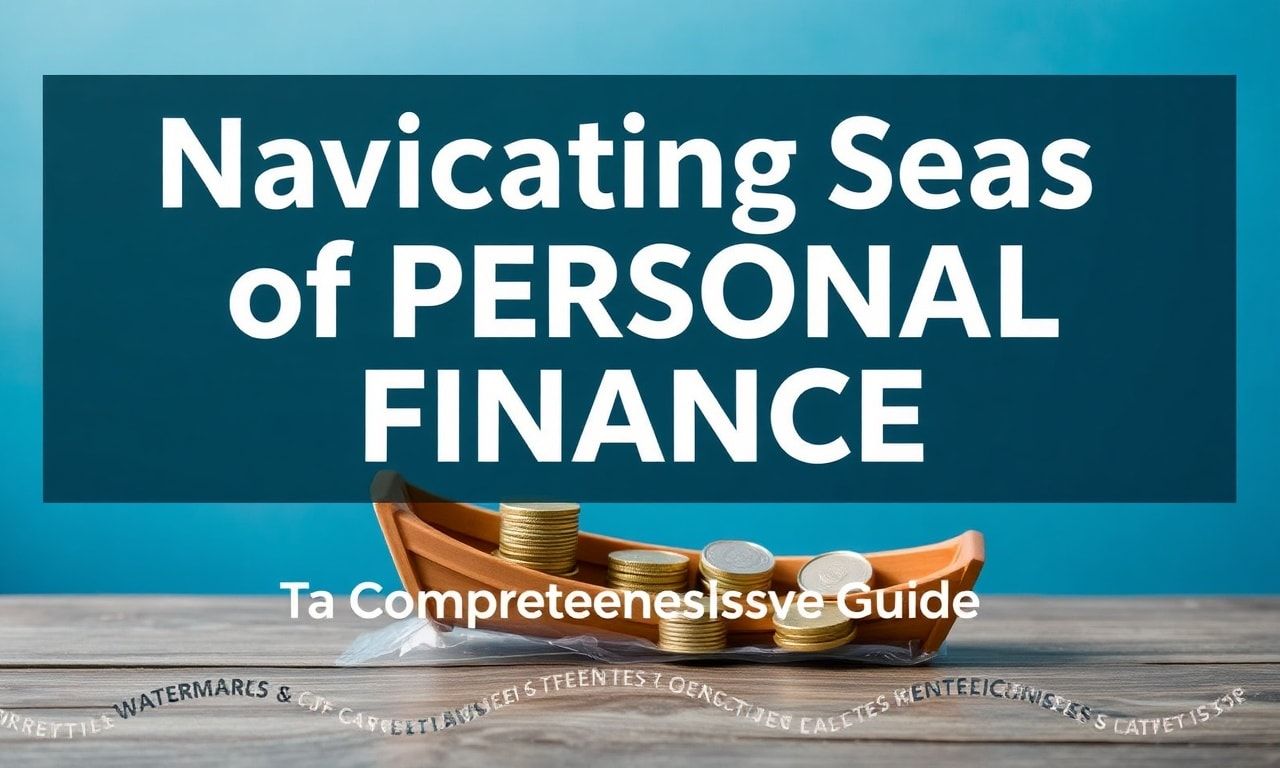
In today’s complex financial landscape, understanding the basics of personal finance is crucial for achieving long-term financial stability and growth. Financial literacy empowers individuals to make informed decisions about saving, investing, and managing debt. Whether you’re a seasoned investor or just starting your financial journey, having a solid grasp of financial principles can significantly impact your financial well-being.
Building a Strong Financial Foundation
Creating a budget is the first step towards financial stability. A well-structured budget helps you track your income and expenses, ensuring that you live within your means. Start by listing all sources of income and fixed expenses, such as rent, utilities, and loan payments. Next, allocate funds for variable expenses like groceries, entertainment, and dining out. Remember to set aside a portion of your income for savings and emergency funds. Tools like spreadsheets or budgeting apps can simplify this process and provide valuable insights into your spending habits.
Emergency Funds: Your Financial Safety Net
An emergency fund is a critical component of a robust financial plan. Aim to save at least three to six months’ worth of living expenses in a highly liquid account, such as a savings account or money market fund. This fund acts as a safety net during unexpected events like job loss, medical emergencies, or home repairs. By having an emergency fund, you can avoid relying on high-interest debt to cover unforeseen expenses, thereby protecting your financial health.
Investing for the Future
Investing is a powerful tool for growing your wealth over time. Diversifying your investment portfolio can help mitigate risks and maximize returns. Consider a mix of asset classes, including stocks, bonds, real estate, and cryptocurrencies. Stocks offer the potential for high returns but come with higher volatility. Bonds, on the other hand, provide steady income and lower risk. Real estate investments can generate rental income and appreciate over time. Cryptocurrencies, while highly volatile, present unique opportunities for significant gains. Always conduct thorough research or consult a financial advisor before making investment decisions.
Understanding Risk and Reward
The relationship between risk and reward is fundamental in investing. Higher potential returns often come with higher risks. Assess your risk tolerance and investment horizon before choosing your asset allocation. Younger investors with a longer time horizon may opt for a more aggressive portfolio, while those nearing retirement might prefer a more conservative approach. Regularly review and rebalance your portfolio to maintain your desired risk level and investment goals.
Managing Debt Effectively
Debt can be a double-edged sword. While it can help you achieve financial goals like buying a home or starting a business, it can also become a burden if not managed properly. Prioritize paying off high-interest debt, such as credit card balances, as quickly as possible. Consider consolidating debt with lower-interest options, like personal loans or balance transfer credit cards. Always make at least the minimum payments on all debts to avoid penalties and maintain a good credit score.
Credit Scores and Their Impact
Your credit score is a crucial indicator of your financial health. Lenders use it to assess your creditworthiness and determine interest rates on loans and credit cards. Maintain a good credit score by paying bills on time, keeping credit card balances low, and avoiding opening too many new accounts at once. Regularly monitor your credit report for errors and dispute any inaccuracies promptly. A strong credit score can open doors to better financial opportunities and lower borrowing costs.
Sustainable Living and Financial Well-being
Sustainable living practices can also contribute to your financial well-being. For instance, adopting cooking tips to support sustainable seafood can help you save money on groceries while promoting environmental conservation. Sustainable choices, such as reducing energy consumption, choosing eco-friendly products, and minimizing waste, can lead to long-term cost savings. Integrating sustainability into your lifestyle not only benefits the planet but also aligns with smart financial planning.
Financial Planning for a Sustainable Future
Incorporate sustainability into your financial planning by investing in green technologies and companies with strong environmental practices. Green bonds, renewable energy stocks, and sustainable mutual funds are excellent options for eco-conscious investors. By aligning your investments with your values, you can contribute to a sustainable future while potentially earning competitive returns. Additionally, consider the long-term financial benefits of sustainable practices, such as reduced utility bills and lower maintenance costs for eco-friendly homes and vehicles.
If you’re looking to take control of your financial future, consider exploring ten steps to manage finances for actionable advice on personal finance and investing.
To maximize your potential in both sports and investments, consider the innovative approaches discussed in Norwegian athletes embracing technology, and apply similar strategies to your financial portfolio.