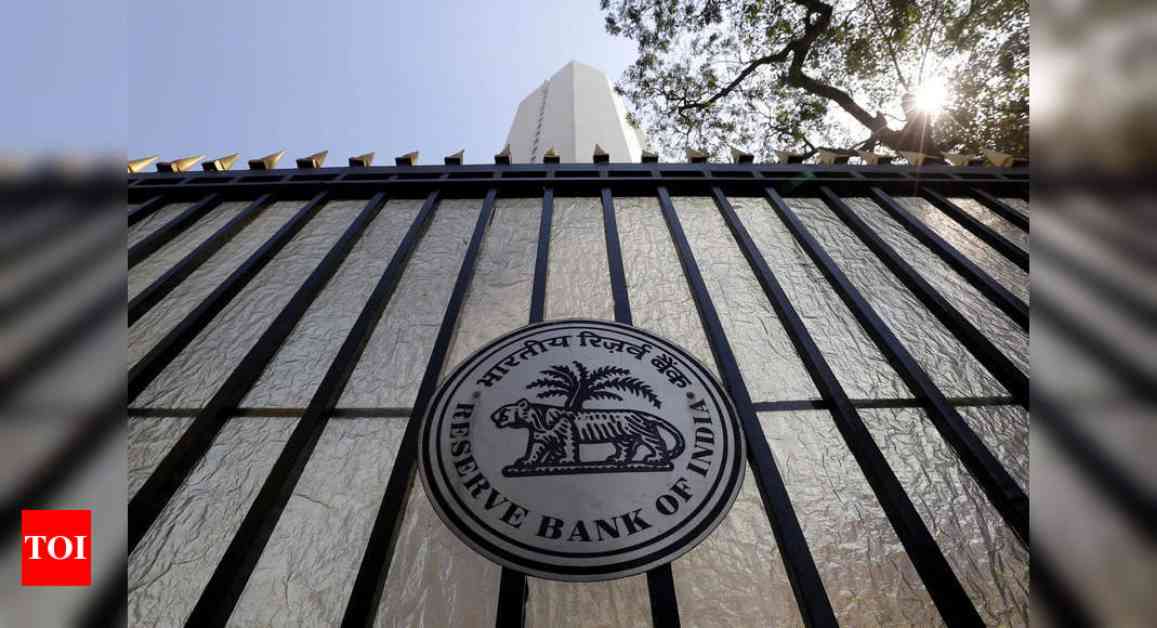

The Importance of Financial Literacy
In today’s fast-paced world, financial literacy is more crucial than ever. Understanding the basics of personal finance, investing, and banking can empower you to make informed decisions that will secure your financial future. Whether you’re a seasoned investor or just starting, continuous learning is key to navigating the complex financial landscape.
Setting Financial Goals
Before diving into investments or managing your finances, it’s essential to set clear, achievable goals. These goals can be short-term, such as saving for a vacation, or long-term, like planning for retirement. Break down your goals into smaller, manageable steps to make them less overwhelming. For instance, if you aim to save ₹500,000 in five years, break it down into monthly savings targets.
Actionable Tip: Use the SMART goal framework—Specific, Measurable, Achievable, Relevant, and Time-bound—to set and track your financial objectives effectively.
Creating a Budget
A budget is a powerful tool that helps you understand your income and expenses. Start by tracking your spending for a month to identify areas where you can cut back. Allocate funds towards your financial goals, such as saving for an emergency fund or investing in stocks. Remember, a budget is not a restriction but a guide to help you achieve your financial aspirations.
Understanding Different Investment Options
Investing is a vital component of personal finance that can help grow your wealth over time. There are various investment options available, each with its own set of risks and rewards. Here are a few popular choices:
- Stocks: Investing in stocks allows you to own a share of a company. While stocks can offer high returns, they also come with higher risks. Diversifying your portfolio can help mitigate some of these risks.
- Bonds: Bonds are debt instruments issued by companies or governments. They are generally less risky than stocks but offer lower returns. Bonds can provide a steady income stream, making them an attractive option for conservative investors.
- Mutual Funds: Mutual funds pool money from various investors to invest in a diversified portfolio of stocks, bonds, or other securities. They offer professional management and diversification, making them an excellent choice for beginners.
- Real Estate: Investing in real estate can provide passive income through rental properties or capital appreciation. However, it requires significant capital and involves risks such as market fluctuations and maintenance costs.
- Cryptocurrencies: Cryptocurrencies like Bitcoin and Ethereum have gained popularity in recent years. While they offer the potential for high returns, they are highly volatile and come with significant risks. Always do thorough research before investing in cryptocurrencies.
Diversifying Your Portfolio
Diversification is a strategy that involves spreading your investments across different asset classes, sectors, and geographies. This approach helps reduce risk by ensuring that your portfolio is not overly exposed to any single investment. For example, if you invest in both stocks and bonds, a decline in the stock market may be offset by gains in the bond market.
Actionable Tip: Consider using index funds or exchange-traded funds (ETFs) to achieve diversification easily. These funds track a specific market index and provide exposure to a broad range of assets.
The Role of Banking in Personal Finance
Banks play a crucial role in personal finance by providing services such as savings accounts, loans, and investment products. Choosing the right bank can significantly impact your financial health. Look for banks that offer competitive interest rates, low fees, and excellent customer service. Online banks and fintech platforms have made banking more accessible and convenient, offering features like mobile banking and automated savings.
Actionable Tip: Regularly review your bank statements to monitor your spending and identify any unauthorized transactions. Use online banking tools to set up automatic savings and bill payments to streamline your financial management.
Protecting Your Financial Health
Just as you take care of your physical health, it’s essential to protect your financial well-being. This includes safeguarding your personal information, avoiding scams, and maintaining a healthy credit score. Regularly check your credit report for errors and take steps to improve your credit score, such as paying your bills on time and reducing your debt-to-income ratio.
Taking care of your physical health is equally important. For instance, regular eye check-ups can prevent vision problems. For more eye care tips vision protection, visit reputable health websites that provide valuable insights and advice.
Planning for Retirement
Retirement planning is a critical aspect of personal finance that often gets overlooked. The earlier you start saving for retirement, the more time your money has to grow. Contribute to retirement accounts like the Public Provident Fund (PPF) or the National Pension Scheme (NPS) to take advantage of tax benefits and compound interest.
Actionable Tip: Use a retirement calculator to estimate how much you need to save to maintain your desired lifestyle during retirement. Adjust your savings and investment strategies accordingly to meet your retirement goals.
Conclusion
Navigating the financial landscape can be challenging, but with the right knowledge and strategies, you can achieve your financial goals. Set clear objectives, create a budget, diversify your investments, and protect your financial health. Remember, financial literacy is an ongoing journey, and continuous learning is key to making informed decisions that will secure your financial future.
Discover how your financial health can influence your overall well-being by exploring financial wellness impacts life, and learn practical tips to improve both your wealth and health.
To build a strong financial foundation, consider exploring essential personal finance management tips that can help you make smarter decisions with your money and investments.
As digital transformation continues to reshape the financial landscape, investors should pay attention to the latest trends; explore the insights from Turkey’s digital transformation report to stay informed and make smarter investment decisions.