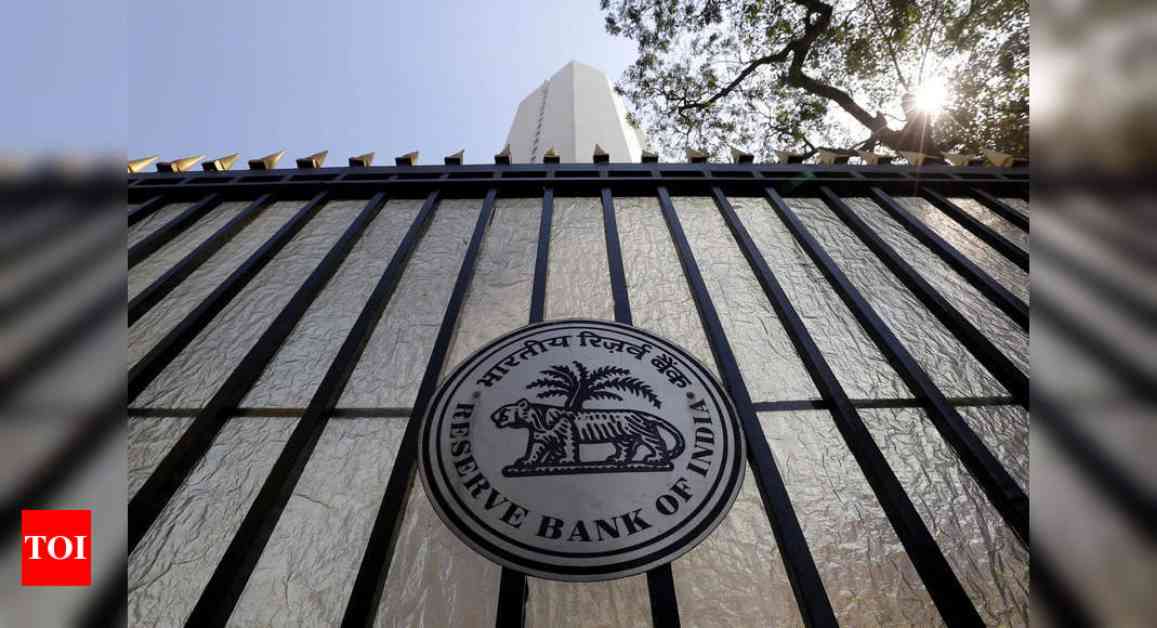

Understanding the Basics of Personal Finance
Personal finance is a critical aspect of our lives that often gets overlooked. It encompasses everything from budgeting and saving to investing and planning for retirement. Understanding the basics of personal finance can help you make informed decisions that will improve your financial health and secure your future.
One of the first steps in managing your personal finances is creating a budget. A budget is a plan that helps you understand how much money you have coming in and going out each month. By tracking your income and expenses, you can identify areas where you can cut back on spending and save more money.
Another important aspect of personal finance is building an emergency fund. An emergency fund is a savings account that you can use to cover unexpected expenses, such as medical bills or car repairs. Experts recommend saving at least three to six months’ worth of living expenses in your emergency fund.
The Importance of Saving and Investing
Saving and investing are two key components of personal finance that can help you build wealth over time. Saving involves setting aside money for short-term goals, such as a vacation or a down payment on a house. Investing, on the other hand, involves putting your money into assets that have the potential to grow in value over the long term, such as stocks, bonds, or real estate.
When it comes to investing, it’s important to diversify your portfolio. Diversification means spreading your investments across different asset classes, industries, and geographic regions. This can help reduce your risk and increase your chances of earning a positive return on your investment.
For those interested in alternative investments, cryptocurrencies have gained significant attention in recent years. However, it’s crucial to understand the risks involved and do thorough research before investing in digital currencies. Additionally, exploring resources like doğal sağlık ürünleri 2026 güncel güncelleme güncel güncelleme güncel güncelleme can provide insights into health-related financial planning, which is an often-overlooked aspect of personal finance.
Banking and Financial Services
Banking and financial services play a vital role in managing your personal finances. Choosing the right bank and financial products can make a significant difference in your financial well-being. When selecting a bank, consider factors such as fees, interest rates, customer service, and the availability of online and mobile banking.
Credit cards are another important financial tool that can help you build credit and earn rewards. However, it’s essential to use credit cards responsibly and avoid carrying a balance from month to month. High-interest rates on credit card debt can quickly add up and put a strain on your finances.
Loans are another common financial product that can help you finance large purchases, such as a home or a car. When taking out a loan, it’s important to shop around and compare interest rates and terms from different lenders. Additionally, consider the total cost of the loan, including fees and other charges, to ensure you’re getting the best deal.
Planning for Retirement
Retirement planning is an essential aspect of personal finance that often gets overlooked. The earlier you start planning for retirement, the more time your money has to grow and compound. There are several retirement savings options available, including 401(k) plans, individual retirement accounts (IRAs), and pension plans.
One of the most popular retirement savings vehicles is the 401(k) plan. A 401(k) plan is an employer-sponsored retirement plan that allows you to contribute a portion of your pre-tax income to a retirement account. Many employers also offer matching contributions, which can help boost your savings.
Another popular retirement savings option is the IRA. An IRA is a tax-advantaged retirement account that allows you to contribute after-tax dollars to a retirement account. There are two types of IRAs: traditional IRAs and Roth IRAs. Traditional IRAs offer tax-deferred growth, while Roth IRAs offer tax-free growth.
Actionable Financial Advice
Here are some actionable financial tips to help you improve your financial health and secure your future:
- Create a budget and stick to it. Tracking your income and expenses can help you identify areas where you can cut back on spending and save more money.
- Build an emergency fund. Saving at least three to six months’ worth of living expenses can help you cover unexpected expenses and avoid going into debt.
- Diversify your investment portfolio. Spreading your investments across different asset classes, industries, and geographic regions can help reduce your risk and increase your chances of earning a positive return on your investment.
- Use credit cards responsibly. Avoid carrying a balance from month to month and pay off your credit card debt in full each month to avoid high-interest charges.
- Shop around for loans and compare interest rates and terms from different lenders. Consider the total cost of the loan, including fees and other charges, to ensure you’re getting the best deal.
- Start planning for retirement early. The earlier you start saving for retirement, the more time your money has to grow and compound.
Conclusion
Personal finance is a critical aspect of our lives that requires careful planning and management. By understanding the basics of personal finance, saving and investing wisely, choosing the right banking and financial services, and planning for retirement, you can improve your financial health and secure your future. Remember to take actionable steps and make informed decisions to achieve your financial goals.
To achieve financial independence, consider exploring personal finance and investment strategies that can help you make informed decisions about your money, from traditional banking to cryptocurrency.
To complement your financial growth journey, consider how elevating your lifestyle can impact your success; explore style and wellness connections for a holistic approach to personal development.
To ensure your online transactions are secure while managing your personal finances, consider exploring safe e-commerce practices guide for practical advice.