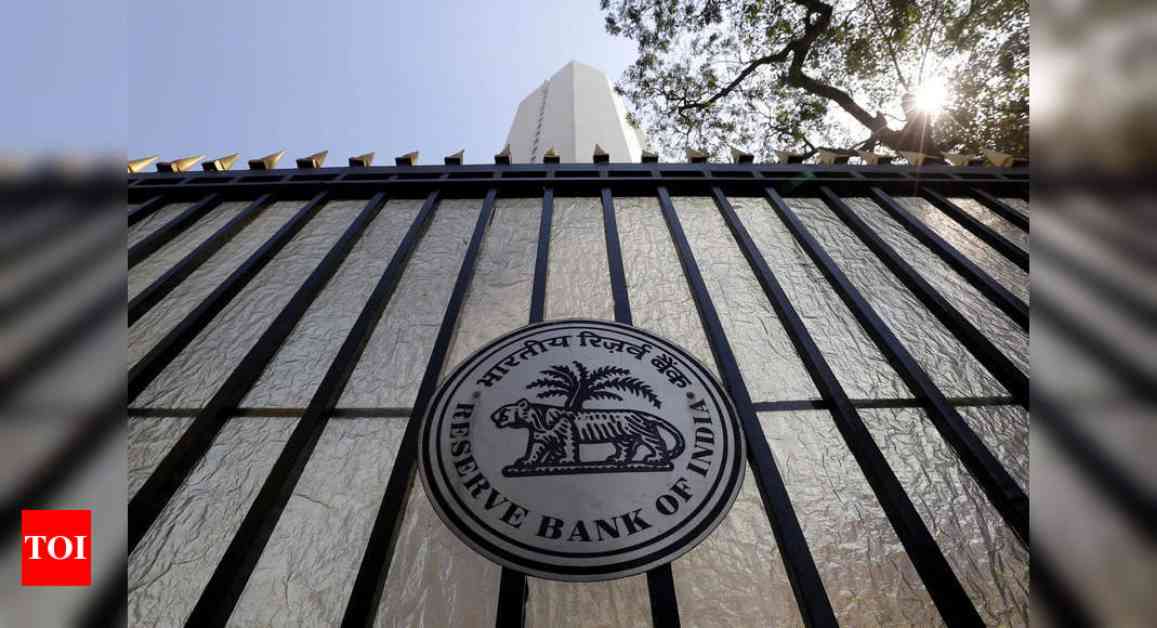

Understanding Personal Finance
Personal finance is a critical aspect of our lives that often gets overlooked. It encompasses everything from budgeting and saving to investing and retirement planning. Understanding the basics of personal finance can help you make informed decisions, achieve your financial goals, and secure your future.
One of the first steps in managing your personal finances is creating a budget. A budget is a plan that helps you understand how much money you have coming in and going out each month. It allows you to allocate funds towards your needs, wants, and savings. By tracking your expenses, you can identify areas where you can cut back and save more.
The Importance of Saving
Saving is a fundamental part of personal finance. It provides a financial cushion for unexpected expenses and helps you achieve long-term goals. Experts recommend saving at least 20% of your income. However, if that’s not feasible, start with a smaller percentage and gradually increase it as your financial situation improves.
An emergency fund is a crucial component of your savings. Ideally, it should cover 3-6 months’ worth of living expenses. This fund can protect you from financial setbacks, such as job loss or medical emergencies, without derailing your financial progress.
Investing for the Future
Investing is another key aspect of personal finance. It allows you to grow your wealth over time and beat inflation. There are various investment options available, including stocks, bonds, mutual funds, and real estate. The right investment strategy depends on your financial goals, risk tolerance, and time horizon.
For beginners, it’s essential to educate yourself about the different investment options. A tech buying guide for beginners can be a useful resource for understanding the basics of investing. Remember, the key to successful investing is diversification. By spreading your investments across different asset classes, you can reduce risk and maximize returns.
Banking and Financial Services
Banks and financial institutions play a vital role in managing your personal finances. They offer a range of services, including savings and checking accounts, loans, and investment products. Choosing the right bank and financial products can help you manage your money more effectively.
When selecting a bank, consider factors such as fees, interest rates, and convenience. Online banks often offer higher interest rates and lower fees than traditional brick-and-mortar banks. However, they may lack the personal touch and local presence of traditional banks.
The Rise of Cryptocurrency
Cryptocurrency is a digital or virtual form of currency that uses cryptography for security. It has gained significant attention in recent years due to its potential for high returns and decentralized nature. However, it’s also highly volatile and risky.
Before investing in cryptocurrency, it’s crucial to understand how it works and the risks involved. Cryptocurrencies like Bitcoin and Ethereum are decentralized, meaning they are not controlled by any government or financial institution. This makes them attractive to investors but also subject to extreme price fluctuations.
Actionable Financial Advice
Here are some actionable financial tips to help you manage your personal finances effectively:
- Set Financial Goals: Define your short-term and long-term financial goals. This could include saving for a vacation, buying a house, or planning for retirement.
- Create a Budget: Track your income and expenses to understand where your money is going. Use this information to create a budget that aligns with your financial goals.
- Build an Emergency Fund: Aim to save 3-6 months’ worth of living expenses in an emergency fund. This will protect you from financial setbacks.
- Start Investing Early: The power of compounding means that the earlier you start investing, the more your money can grow over time.
- Diversify Your Investments: Spread your investments across different asset classes to reduce risk and maximize returns.
- Educate Yourself: Continuously educate yourself about personal finance, investing, and financial products. This will help you make informed decisions and stay ahead of the curve.
Managing your personal finances can seem overwhelming, but with the right knowledge and tools, it’s achievable. By following these tips and staying disciplined, you can take control of your financial future and achieve your financial goals.
To enhance your financial services expertise, delve into key customer relationship management strategies that can drive success in banking and investing.
To take control of your financial future, dive into our essential wealth-building strategies and learn practical steps to secure your prosperity.
In the digital age, managing your financial life efficiently is crucial; discover how simplifying your digital habits can lead to better financial decisions and reduced stress.