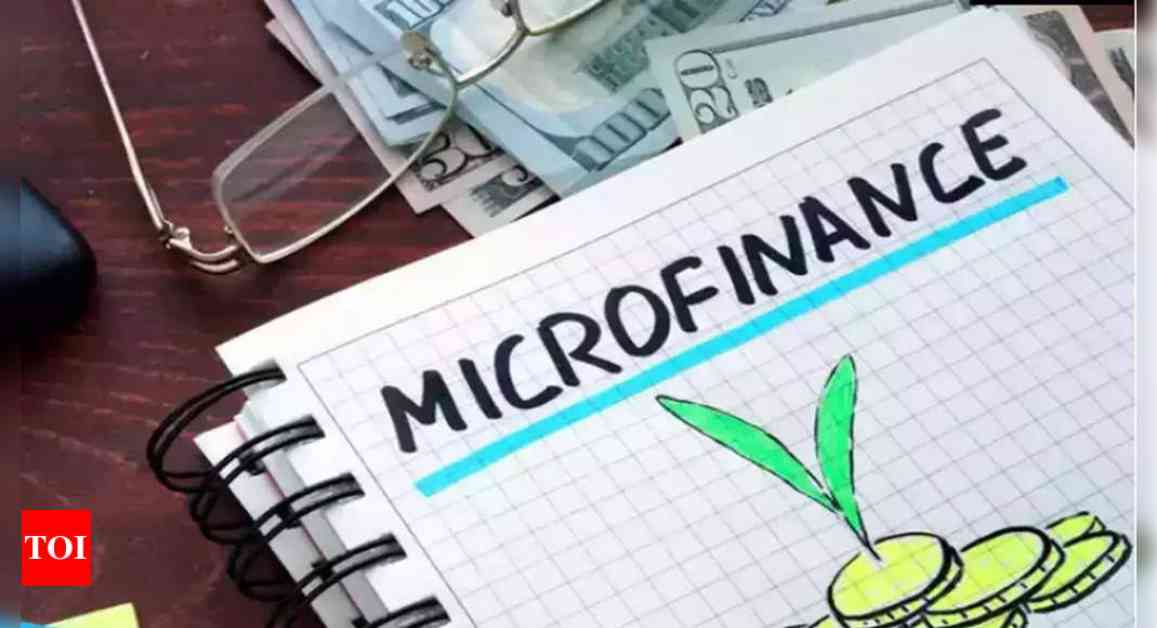

Understanding the Basics of Personal Finance
Personal finance is a critical aspect of our daily lives, yet many people overlook its importance until they face financial difficulties. At its core, personal finance involves managing your money, including income, expenses, savings, and investments. Understanding these basics can help you make informed decisions that will secure your financial future.
Firstly, it’s essential to create a budget. A budget is a plan that helps you understand how much money you have, where it’s going, and how you can save or invest more. Start by tracking your income and expenses for a month. This will give you a clear picture of your financial situation and help you identify areas where you can cut back on spending.
Next, consider setting financial goals. These could be short-term goals, like saving for a vacation, or long-term goals, such as retirement. Having clear goals will motivate you to manage your money more effectively and make smarter financial decisions.
Building an Emergency Fund
One of the most important aspects of personal finance is building an emergency fund. An emergency fund is a stash of money set aside to cover unexpected expenses, such as medical emergencies or car repairs. Ideally, your emergency fund should cover three to six months’ worth of living expenses.
Start by setting aside a small amount each month until you reach your goal. Keep your emergency fund in a separate, easily accessible account, such as a savings account. This will ensure that you can access your money quickly when you need it.
Investing: Growing Your Wealth
Investing is a powerful tool for growing your wealth over time. By putting your money into assets like stocks, bonds, or real estate, you can earn a return on your investment and build wealth. However, investing also comes with risks, so it’s essential to understand these risks and invest wisely.
Before you start investing, it’s crucial to do your research. Learn about different types of investments and their potential risks and rewards. Consider your financial goals, risk tolerance, and time horizon when choosing investments. Diversifying your portfolio can also help manage risk and maximize returns.
For those interested in the global market, exploring opportunities abroad can be beneficial. For instance, if you’re looking to invest in the Middle East, you might want to check out أفضل مطاعم في مدينة دبي for insights into the region’s economic landscape and potential investment opportunities.
Understanding Cryptocurrency
Cryptocurrency has gained significant attention in recent years as a new and exciting investment opportunity. Cryptocurrencies like Bitcoin and Ethereum are digital or virtual currencies that use cryptography for security. They operate independently of a central bank and can be used for online transactions.
Investing in cryptocurrency can be highly volatile and risky. Prices can fluctuate wildly, and there’s always the risk of losing your entire investment. Therefore, it’s crucial to approach cryptocurrency investing with caution and only invest money you can afford to lose.
Before investing in cryptocurrency, educate yourself about how it works and the potential risks involved. Consider starting with a small investment and gradually increasing your exposure as you gain more experience and confidence.
Banking: Choosing the Right Financial Institution
Choosing the right bank is an essential aspect of personal finance. A good bank can provide you with the financial products and services you need to manage your money effectively. When choosing a bank, consider factors like fees, interest rates, customer service, and convenience.
Online banks have gained popularity in recent years due to their low fees, high-interest rates, and convenient online banking services. Traditional banks, on the other hand, offer a wider range of financial products and services, as well as in-person customer service.
Consider your banking needs and preferences when choosing a bank. If you value convenience and low fees, an online bank might be the right choice for you. If you prefer in-person customer service and a wider range of financial products, a traditional bank might be a better fit.
Actionable Financial Advice
Here are some actionable financial tips to help you manage your money more effectively:
- Create a Budget: Start by tracking your income and expenses for a month. Use this information to create a budget that helps you save and invest more.
- Build an Emergency Fund: Set aside a small amount each month until you have three to six months’ worth of living expenses saved.
- Invest Wisely: Educate yourself about different types of investments and their potential risks and rewards. Diversify your portfolio to manage risk and maximize returns.
- Choose the Right Bank: Consider factors like fees, interest rates, customer service, and convenience when choosing a bank.
- Plan for Retirement: Start saving for retirement as early as possible. Consider contributing to a 401(k) or IRA, and invest your contributions in a diversified portfolio.
By following these tips and staying informed about personal finance, investing, and banking, you can take control of your financial future and achieve your financial goals.
To kickstart your financial journey, explore smart investment strategies today and learn how to manage your personal finances effectively.
To enhance your financial literacy and make informed investment decisions, consider diving into managing personal finances effectively, a comprehensive guide to achieving financial independence.
To boost your financial literacy and make informed decisions, explore smart investment and money management tips that can help you navigate the world of personal finance and investing.