
Understanding the Basics of Personal Finance
Personal finance is a critical aspect of our daily lives, yet it is often overlooked or mismanaged. At its core, personal finance involves managing your money, including budgeting, saving, investing, and planning for future financial goals. Understanding these basics can help you make informed decisions and secure your financial future.
One of the first steps in mastering personal finance is creating a budget. A budget is a plan that helps you track your income and expenses, ensuring you spend less than you earn. Start by listing all your sources of income and then categorize your expenses into fixed (like rent and utilities) and variable (like dining out and entertainment). Tools like spreadsheets or budgeting apps can simplify this process.
Saving is another essential component of personal finance. Aim to save at least 20% of your income. This savings can be allocated towards an emergency fund, which should cover 3-6 months’ worth of living expenses, and other financial goals like buying a home or starting a business. Automating your savings can make this process effortless and ensure you stay on track.
Investing: Growing Your Wealth Over Time
Investing is a powerful way to grow your wealth over time. Unlike saving, which involves setting money aside, investing involves putting your money into assets that have the potential to appreciate in value. Common investment options include stocks, bonds, mutual funds, and real estate.
When starting your investment journey, it’s crucial to understand your risk tolerance and investment horizon. Your risk tolerance is your ability to withstand fluctuations in the value of your investments. Your investment horizon is the length of time you plan to invest before needing the money. Generally, the longer your investment horizon, the more risk you can afford to take.
Diversification is another key principle of investing. By spreading your investments across different asset classes, sectors, and geographies, you can reduce the risk of significant losses. For instance, if you invest solely in technology stocks and the tech sector experiences a downturn, your entire portfolio could suffer. Diversifying across sectors like healthcare, finance, and consumer goods can help mitigate this risk.
Staying Informed: The Role of Financial News
Staying informed about the latest financial news and trends is crucial for making sound investment decisions. Regularly reading financial news can help you stay ahead of market trends, understand economic indicators, and make informed decisions about your investments. For instance, knowing about changes in interest rates, inflation, and geopolitical events can significantly impact your investment strategy.
To stay updated, consider subscribing to reputable financial news sources. Websites like business news update weekly provide comprehensive coverage of global financial markets, economic indicators, and investment opportunities. Additionally, following financial experts on social media and attending webinars or seminars can provide valuable insights and help you stay informed.
The Role of Banking in Personal Finance
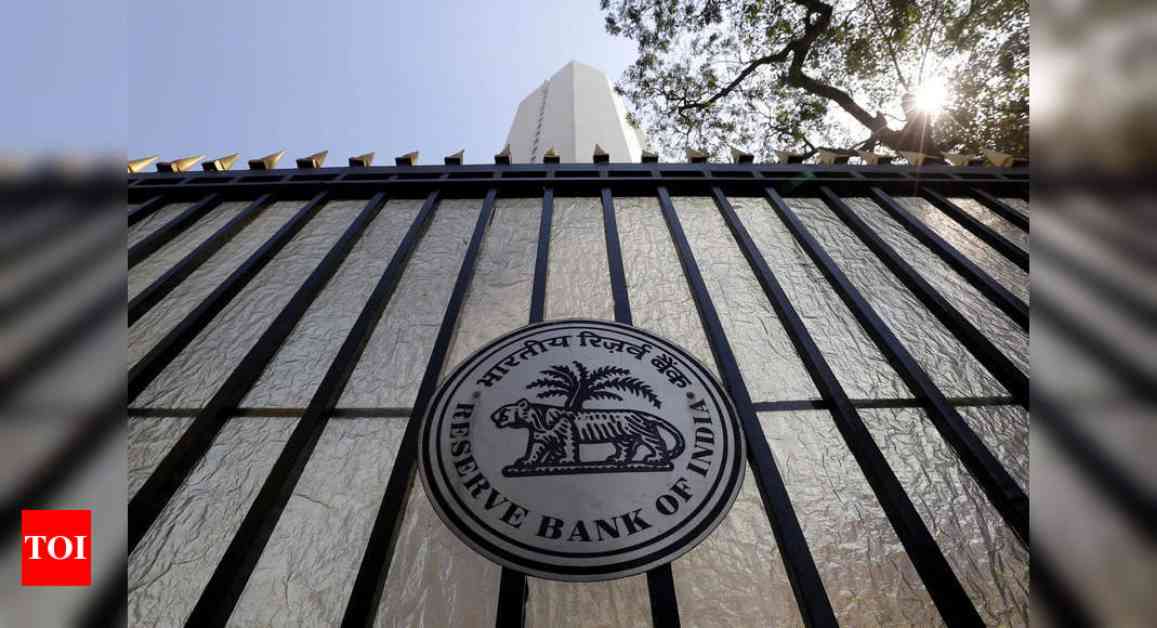
Banks play a pivotal role in personal finance by providing a range of financial services, including savings accounts, checking accounts, loans, and investment products. Choosing the right bank and utilizing its services effectively can significantly impact your financial health.
When selecting a bank, consider factors like fees, interest rates, customer service, and the range of products and services offered. Online banks, for instance, often provide higher interest rates on savings accounts and lower fees compared to traditional banks. However, they may lack the physical branches and personalized services offered by traditional banks.
Utilizing banking services effectively can help you manage your money more efficiently. For instance, using a checking account for daily transactions and a savings account for long-term goals can help you stay organized and disciplined. Additionally, using banking apps to track your spending, set budgeting goals, and monitor your credit score can provide valuable insights and help you make informed financial decisions.
Exploring the World of Cryptocurrency
Cryptocurrency has emerged as a revolutionary asset class, offering investors the potential for high returns and diversification. Cryptocurrencies like Bitcoin, Ethereum, and Litecoin operate on blockchain technology, a decentralized and secure digital ledger that records transactions across a network of computers.
Investing in cryptocurrency involves buying and holding these digital assets with the expectation that their value will appreciate over time. However, cryptocurrencies are known for their volatility, with prices fluctuating significantly in short periods. As such, investing in cryptocurrency requires a high-risk tolerance and a long-term investment horizon.
Before investing in cryptocurrency, it’s essential to understand the technology, risks, and potential rewards. Research different cryptocurrencies, their use cases, and the underlying blockchain technology. Additionally, consider starting with a small investment and gradually increasing your exposure as you gain experience and confidence.
Actionable Financial Advice for a Secure Future
Securing your financial future requires a combination of disciplined saving, strategic investing, and continuous learning. Here are some actionable financial advice to help you achieve your financial goals:
- Set Clear Financial Goals: Define your short-term and long-term financial goals, such as buying a home, starting a business, or retiring comfortably. Having clear goals can help you stay motivated and focused on your financial journey.
- Create a Budget and Stick to It: A budget is a powerful tool for managing your money and achieving your financial goals. Track your income and expenses, and adjust your spending habits to ensure you spend less than you earn.
- Build an Emergency Fund: An emergency fund can provide a financial safety net during unexpected events like job loss, medical emergencies, or home repairs. Aim to save at least 3-6 months’ worth of living expenses in your emergency fund.
- Invest Regularly: Investing regularly, even with small amounts, can help you grow your wealth over time. Consider using dollar-cost averaging, a strategy that involves investing a fixed amount of money at regular intervals, to reduce the impact of market volatility.
- Diversify Your Investments: Diversification is a key principle of investing that can help reduce the risk of significant losses. Spread your investments across different asset classes, sectors, and geographies to create a well-balanced portfolio.
- Stay Informed: Continuously educating yourself about personal finance, investing, and the latest financial news can help you make informed decisions and stay ahead of market trends.
- Seek Professional Advice: Consulting a financial advisor can provide valuable insights and help you create a personalized financial plan. A financial advisor can help you navigate complex financial topics, optimize your investment strategy, and achieve your financial goals.
Mastering your finances is a journey that requires discipline, patience, and continuous learning. By understanding the basics of personal finance, investing, banking, and cryptocurrency, and following actionable financial advice, you can secure your financial future and achieve your financial goals.
Discover how community events in Paris can boost local economies and potentially impact investment opportunities by exploring sport’s financial influence.
To stay informed about the latest events that could impact your financial decisions, check out this week’s global and Turkish updates and consider how they might influence your investment strategies.
To navigate the current economic landscape, investors should consider reviewing recent global market shifts and their potential impact on personal finance and investment strategies.