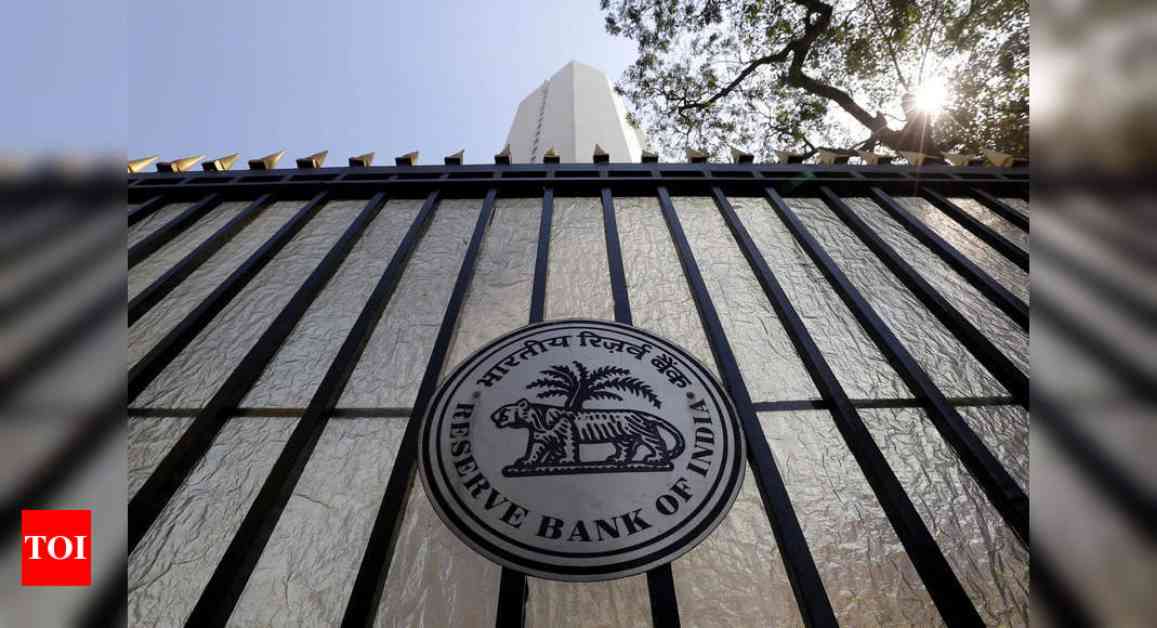

Understanding the Basics of Personal Finance
Personal finance is a critical aspect of our lives that often gets overlooked. It encompasses everything from budgeting and saving to investing and planning for retirement. Understanding these basics is the first step towards achieving financial stability and independence. By taking control of your finances, you can ensure a secure future for yourself and your loved ones.
The Importance of Budgeting
Budgeting is the cornerstone of personal finance. It helps you track your income and expenses, ensuring that you live within your means. Start by listing all your sources of income and then categorize your expenses into fixed (like rent and utilities) and variable (like dining out and entertainment). Tools like spreadsheets or budgeting apps can simplify this process. Remember, a well-planned budget is not restrictive; it’s a roadmap to financial freedom.
Creating an Effective Budget
To create an effective budget, begin by setting financial goals. These could be short-term goals like saving for a vacation or long-term goals like buying a house. Allocate funds towards these goals each month. It’s also crucial to build an emergency fund that covers 3-6 months’ worth of living expenses. This fund can be a lifesaver during unexpected financial crises.
Saving and Investing: Building Your Wealth
Saving is essential, but investing is what truly grows your wealth. Once you have an emergency fund, consider investing in assets like stocks, bonds, or real estate. Diversifying your investment portfolio can mitigate risks and maximize returns. For those interested in modern investment avenues, cryptocurrencies have emerged as a volatile yet potentially lucrative option. However, always do thorough research before diving into any investment.
Understanding Different Investment Vehicles
There are various investment vehicles to choose from, each with its own set of risks and rewards. Stocks offer high growth potential but come with higher risk. Bonds are more stable but offer lower returns. Mutual funds and exchange-traded funds (ETFs) provide diversification by pooling money from multiple investors. Real estate can generate passive income through rentals but requires significant capital. Cryptocurrencies, like Bitcoin and Ethereum, are highly speculative but have gained popularity in recent years. For more insights on retirement planning and investment strategies, you might find emeklilik planlaması ipuçları useful.
The Role of Banking in Personal Finance
Banks play a pivotal role in managing personal finances. They offer services like savings accounts, checking accounts, loans, and credit cards. Choosing the right bank and the right financial products can significantly impact your financial health. For instance, high-interest savings accounts can help your money grow faster, while low-interest loans can reduce your debt burden. Additionally, using credit cards responsibly can build your credit score, which is crucial for future financial opportunities.
Choosing the Right Financial Products
When selecting financial products, consider factors like fees, interest rates, and customer service. Online banks often offer higher interest rates and lower fees compared to traditional banks. Credit unions are another excellent option, known for their member-focused services. For loans, compare offers from different lenders to find the best terms. Always read the fine print and understand the terms and conditions before committing to any financial product.
Planning for Retirement
Retirement planning is an essential aspect of personal finance that many people overlook until it’s too late. The earlier you start planning for retirement, the more time your money has to grow. Contribute regularly to retirement accounts like 401(k)s or IRAs. Take advantage of employer-matched contributions if available. Diversify your retirement portfolio to spread risk. Regularly review and adjust your retirement plan to ensure it aligns with your goals and market conditions.
Retirement Savings Strategies
There are several strategies to maximize your retirement savings. One popular method is the 4% rule, which suggests withdrawing 4% of your retirement savings annually to ensure your money lasts throughout your retirement. Another strategy is the bucket approach, where you divide your savings into different buckets based on your financial goals and time horizons. Automating your savings can also help you stay disciplined and consistent. For more tips on retirement planning, consider exploring resources like emeklilik planlaması ipuçları.
Actionable Financial Advice
Here are some actionable steps to improve your personal finance:
- Set clear financial goals and create a budget to achieve them.
- Build an emergency fund to cover unexpected expenses.
- Start investing early and diversify your portfolio.
- Choose the right financial products and services.
- Plan for retirement and review your plan regularly.
- Stay informed about financial trends and opportunities.
Taking control of your personal finances can seem daunting, but with the right knowledge and tools, it’s entirely achievable. By following these steps and staying committed to your financial goals, you can secure a stable and prosperous future for yourself and your family.
Discover how entertainers achieve financial freedom with financial strategies for artists, offering actionable advice to secure your financial future.
If you’re new to investing and looking for practical advice, consider checking out smart investment strategies for beginners to help you navigate the world of personal finance and cryptocurrency.