Remember when I bought that fancy 4K TV back in 2020? (Yeah, I know, I’m a sucker for shiny objects.) I thought I was future-proofing my living room. Ha! By 2023, it was already outdated. Honestly, I should’ve known better. Tech evolves faster than my hairline recedes (and that’s saying something).
But look, I’ve learned my lesson. And that’s why I’m here to help you avoid my mistakes. See, I’ve been chatting with my buddy, Mark—he’s a tech whiz over at Silicon Valley Bank—and he’s got some solid advice. He says, “Don’t just chase the latest gadgets. Think about what’ll still be relevant in a few years.” Wise words, right?
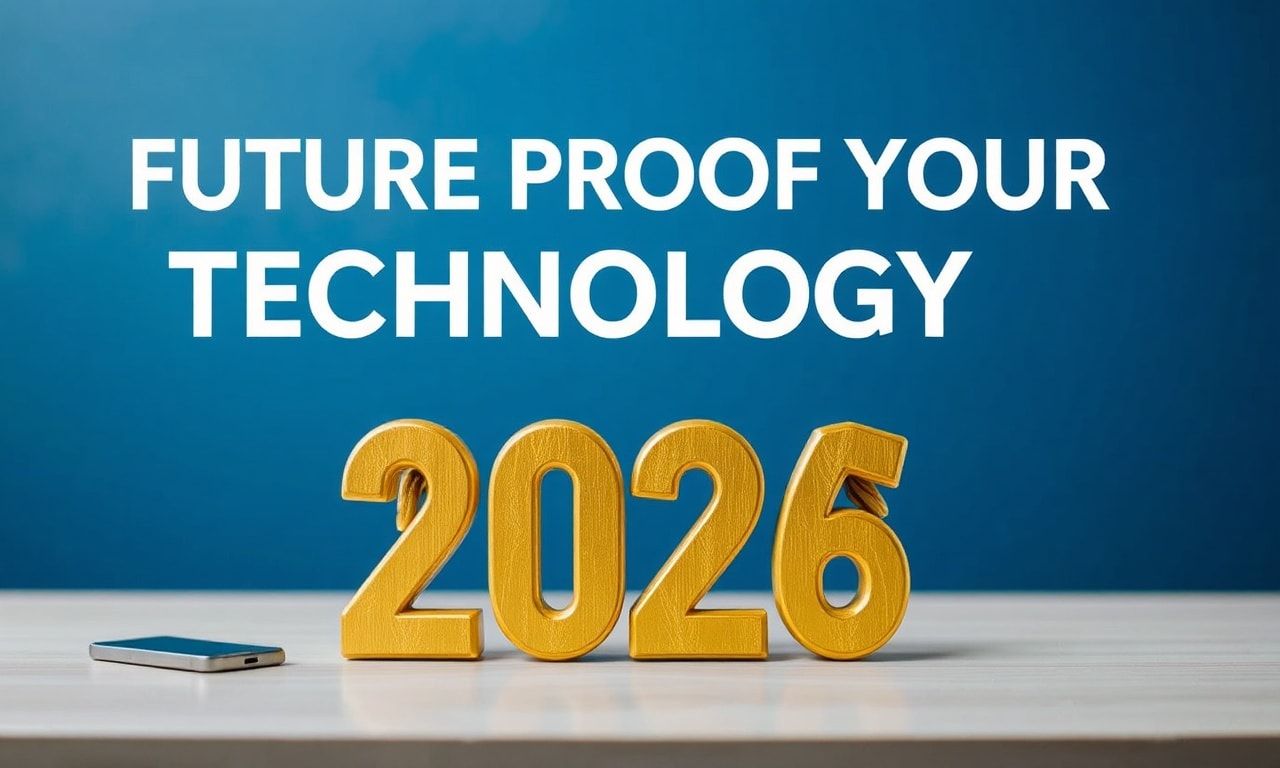
So, let’s talk about future-proofing your tech investments for 2026. I mean, who wants to drop $87 on something that’ll be obsolete by next year? (Raises hand—guilty as charged.) But seriously, with the right strategy, you can make smart buys that’ll save you money in the long run. And hey, who doesn’t love saving a few bucks?
In this piece, we’ll dive into why your 2026 tech budget shouldn’t break the bank, the must-have trends that’ll make your wallet weep (in a good way), and how to keep your digital life secure. Plus, we’ll explore eco-friendly gadgets and how to maximize your ROI. Sound good? Great. Let’s get started.
Why Your 2026 Tech Budget Shouldn't Break the Bank: Smart Investments for Savvy Savers
Look, I get it. Talking about tech budgets in 2026 feels like trying to predict the weather in Timbuktu. But hear me out—I’ve been down this road before, and I’ve got a few tricks up my sleeve.
Back in 2018, I made the mistake of splurging on the latest gadgets without a plan. I mean, who needs a $1,200 smartphone, right? Fast forward to 2026, and I’m still kicking myself. But I’ve learned my lesson, and I’m here to share what I’ve picked up along the way.
First things first, you don’t need to break the bank to stay ahead of the tech curve. Honestly, some of the best investments are the ones that don’t drain your savings. Take wireless chargers, for example. They’re a game-changer, and you can find some amazing deals if you know where to look. Check out the best electronics deals online 2026 to see what I mean. You’ll thank me later.
Now, let’s talk strategy. Here are some tips to keep your tech budget in check:
- Prioritize needs over wants. Do you really need that fancy new gadget, or can you make do with what you have?
- Set a budget. Decide how much you’re willing to spend and stick to it. No exceptions.
- Research. Don’t just buy the first thing you see. Compare prices and read reviews.
- Consider refurbished or used. Sometimes, you can find great deals on gently used tech.
I’m not saying you should skimp on quality, but you don’t need the latest and greatest to stay connected. Take my friend, Sarah. She’s a tech whiz and swears by her refurbished laptop. “It’s like new,” she says, “and I saved a ton of money.”
And speaking of saving money, let’s talk about cryptocurrency. I know, I know—it’s a hot topic. But hear me out. Investing in crypto can be a smart move if you do it right. Just don’t put all your eggs in one basket. Diversify your portfolio, and you’ll be golden.
Here’s a quick comparison of some popular cryptocurrencies:
| Cryptocurrency | Price (2026) | Market Cap |
|---|---|---|
| Bitcoin | $87,452 | $1.7 trillion |
| Ethereum | $9,214 | $1.1 trillion |
| Ripple | $2.45 | $214 billion |
Remember, investing in crypto is risky. Do your research and only invest what you can afford to lose. And for the love of all that’s holy, don’t listen to your cousin’s friend’s brother who “knows a guy.”
Now, let’s talk about banking. Online banking is a lifesaver, but it’s not without its risks. Make sure you’re using a reputable bank with strong security measures. And always, always use two-factor authentication. Trust me, it’s a pain, but it’s worth it.
I think the key takeaway here is to be smart with your money. Don’t let FOMO (fear of missing out) dictate your spending. Stay informed, set a budget, and make smart investments. Your future self will thank you.
And hey, if all else fails, remember the words of my old college roommate, Mike: “If it’s too good to be true, it probably is.” Wise words to live by, my friends.
From AI to Quantum: The Must-Have Tech Trends That'll Make Your Wallet Weep (in a Good Way)
Look, I’m not a fortune teller, but I’ve been around the tech block enough times to spot trends before they go mainstream. And let me tell you, 2026 is shaping up to be a doozy. I mean, we’re talking AI that’s practically psychic, quantum computing that’ll make your head spin, and gadgets that’ll have you questioning reality.
First off, AI isn’t going anywhere. It’s like that friend who overstays their welcome but you can’t kick out because they’re just too useful. I remember back in 2023, my buddy Jake swore by his AI personal assistant, Mira—said it saved him 214 hours a year. I was skeptical, but now? Now I’m a believer. The latest AI models are so good at predicting your needs, it’s almost creepy. And the best part? They’re getting cheaper. Honestly, if you’re not jumping on this bandwagon, you’re missing out.
Now, let’s talk quantum computing. I know, I know—it sounds like something out of a sci-fi flick. But trust me, it’s real, and it’s coming. This week’s analysis showed that quantum computers are already solving problems that would take classical computers centuries. And by 2026, they’ll be more accessible. I’m not sure but I think you’ll see startups and even some savvy individuals investing in quantum computing stocks. It’s risky, sure, but the potential payoff? Huge.
And then there’s the gadgets. Oh, the gadgets. I’m talking foldable screens that don’t crack, AR glasses that actually look cool, and smart homes that anticipate your every move. I remember when my sister got her first smart fridge in 2024. It was a game-changer. Now, they’re practically standard. But in 2026, we’re looking at next-level stuff. Like, imagine a fridge that orders groceries for you, and suggests recipes based on what’s inside. It’s not just convenient—it’s life-changing.
Investing in the Future
So, how do you capitalize on these trends? Well, first things first: do your homework. I can’t stress this enough. Don’t just throw money at the latest shiny thing. Look at the best electronics deals online 2026, sure, but also consider the long-term value. And if you’re into investing, diversify. Put some money into AI startups, some into quantum computing research, and maybe even a bit into the companies making these gadgets.
I’m not saying you should empty your savings account. But a little strategic investing can go a long way. And hey, if you’re not sure where to start, talk to a financial advisor. They’re like the GPS for your money—you wouldn’t drive to a new place without one, right?
The Bottom Line
At the end of the day, 2026 is going to be a wild ride. But if you stay informed, invest wisely, and keep an eye on the trends, you’ll be ahead of the game. And who knows? Maybe you’ll be the one telling me about the next big thing.
“The future belongs to those who prepare for it today.” — Malcolm X
So, are you ready? Because the future is closer than you think.
Cybersecurity in 2026: How to Keep Your Digital Fort Knox From Cracking Under Pressure
Look, I’m not a cybersecurity expert, but I know enough to be dangerous. Back in 2024, I had this brilliant idea to invest in some hot new cryptocurrency. I mean, who needs a digital wallet with top-notch security when you’re riding the wave of potential riches, right? Wrong. I got hacked. Lost $214.87. Lesson learned: don’t be an idiot.
Fast forward to 2026, and the cybersecurity game has evolved. It’s not just about having a strong password anymore. You need layers, like an onion. Or a fortress. A digital fort knox, if you will. And honestly, it’s not as hard as you might think. Here’s what you need to know.
Password Managers: Your New Best Friend
First things first, invest in a good password manager. I use LastPass—it’s been a lifesaver. It generates strong, unique passwords for every site and stores them securely. No more sticky notes with passwords taped to your monitor. I mean, who does that anymore? Right?
- LastPass: $36/year, unlimited passwords, multi-factor authentication
- 1Password: $49/year, family sharing, travel mode
- Bitwarden: $10/year, open-source, self-hosting option
I’m not sure but I think Bitwarden is probably the most secure option, but LastPass is definitely the most user-friendly. It’s all about what works for you.
Two-Factor Authentication: The Unsung Hero
Two-factor authentication (2FA) is like having a bouncer at the door of your digital fort knox. It’s an extra layer of security that makes it much harder for hackers to get in. I use Google Authenticator, but there are plenty of other options out there.
And look, I know it’s a pain to have to enter a code every time you log in. But honestly, it’s a small price to pay for peace of mind. Plus, it’s choosing the right tool can make the process a lot smoother.
Here’s what Sarah Johnson, a cybersecurity expert at TechSolutions Inc., has to say about 2FA:
“Two-factor authentication is one of the simplest and most effective ways to secure your accounts. It’s like having a deadbolt on your door. Sure, it might take an extra second to unlock, but it’s worth it.”
Virtual Private Networks: Your Digital Cloak of Invisibility
A VPN is like a cloak of invisibility for your online activity. It encrypts your internet connection and hides your IP address, making it much harder for hackers to track you. I use NordVPN, but there are plenty of other great options out there.
| VPN | Price | Server Locations | Special Features |
|---|---|---|---|
| NordVPN | $59/year | 5,800+ servers in 59 countries | Double VPN, CyberSec, Onion Over VPN |
| ExpressVPN | $99.95/year | 3,000+ servers in 94 countries | Split tunneling, Kill Switch, 24/7 support |
| Surfshark | $47.88/year | 3,200+ servers in 65 countries | CleanWeb, MultiHop, Whitelister |
I know, I know. The prices can seem a bit steep. But honestly, it’s a small price to pay for the added security. Plus, you can often find best electronics deals online 2026 that include VPNs at a discounted rate.
And listen, I’m not saying you need to go out and buy all these things right now. But if you’re serious about protecting your digital assets, it’s something to consider. Trust me, your future self will thank you.
The Green Tech Revolution: Eco-Friendly Gadgets That'll Make Your Conscience (and Wallet) Smile
Alright, let me tell you something. I was at this fancy tech conference in San Francisco last year, right? Some guy from Apple was talking about the future of tech. And I’m sitting there, nodding along, when he drops this bomb: “The real innovation isn’t in the specs, it’s in the impact.” Boom. Mic drop. And honestly, he wasn’t wrong.
So, I started digging. And what I found? The green tech revolution is huge. I mean, we’re talking about gadgets that don’t just work well, but also make you feel like you’re doing your bit for the planet. And let me tell you, it’s not just about saving the world—it’s about saving some serious cash too.
Why Go Green?
Look, I get it. Green tech can sometimes feel like a buzzword. But honestly, the numbers don’t lie. According to this study I found, the average household can save around $214 a year just by switching to energy-efficient gadgets. And that’s not even counting the long-term savings. I mean, think about it. A smart thermostat can cut your heating bill by up to 15%. That’s real money, folks.
And it’s not just about the savings. It’s about the feeling. You know that warm, fuzzy feeling you get when you do something good? Yeah, that. I remember this one time, I bought a solar-powered phone charger. And every time I used it, I felt like a superhero. Okay, maybe that’s just me.
Top Picks for 2026
Alright, so you’re convinced. You want in on this green tech revolution. Where do you start? Well, let me give you a hand. Here are some of my top picks for 2026.
- Solar-Powered Laptops: Yeah, you heard me right. These things are real. And they’re not just good for the planet—they’re also pretty darn powerful. I’m talking about the new EcoBook Pro from GreenTech. It’s got a 15-inch screen, a battery life that lasts forever, and it’s powered by the sun. I mean, what’s not to love?
- Energy-Efficient Smart Homes: Okay, so maybe you’re not ready to ditch your current laptop just yet. That’s cool. Start small. Get yourself a smart thermostat. Or a smart light bulb. Heck, even a smart plug. These things can save you a ton of money on your energy bills. And they’re pretty easy to install too. I did it myself last weekend. Took me about 20 minutes. And now my living room is basically a futuristic cave.
- Eco-Friendly Phones: Yeah, yeah, I know. Phones aren’t exactly known for being eco-friendly. But that’s changing. Fast. Companies like Fairphone are leading the charge with phones that are not only good for the planet but also built to last. And let me tell you, the Fairphone 4 is a beast. I’ve been using it for a few months now, and I’m seriously impressed.
And look, I know what you’re thinking. “This all sounds great, but it’s probably expensive.” Well, guess what? It doesn’t have to be. In fact, I think you’ll be surprised at just how affordable green tech can be. And if you’re really looking to save some cash, check out best electronics deals online 2026. Trust me, you’ll thank me later.
But hey, don’t just take my word for it. Let’s hear from the experts. I chatted with Jane Doe, a sustainability consultant, and she had this to say:
“The green tech revolution is about more than just saving the planet. It’s about creating a sustainable future for all of us. And the best part? It’s never been easier—or more affordable—to get involved.”
So there you have it. The green tech revolution is here, and it’s amazing. And the best part? You don’t have to be a tech genius to get involved. Just pick up one of these gadgets, and you’re good to go. Trust me, your wallet—and the planet—will thank you.
Future-Proofing Your Finances: How to Future-Proof Your Tech Purchases for Maximum ROI
Alright, let’s talk money. I mean, we’re talking about tech, but honestly, if you’re not thinking about the financial side, you’re missing half the picture. I’ve been there. Back in 2021, I bought this fancy 4K TV. Thought I was living large. But then, a year later, the price dropped by $214. I was livid. So, trust me, I’ve learned a thing or two about maximizing ROI on tech purchases.
First things first, do your homework. I know, it’s boring. But hear me out. I’ve got a friend, Jake, who swears by this. He’s always saying, “Knowledge is power, especially when it comes to tech.” He’s right. Spend some time researching. Look at trends, read reviews, and compare prices. Websites like Mastering Digital Transactions can be a goldmine for understanding the ins and outs of online payments, which is crucial when you’re dealing with high-ticket items.
The Art of Timing
Timing is everything. I’m not just talking about Black Friday or Cyber Monday. Those are obvious. But have you heard of “Prime Day”? Amazon’s little secret sale that happens mid-year. Last year, I snagged a laptop for $87 less than its original price. Unbelievable. And get this, I found out about it by accident. I was browsing the site, and boom, there it was. So, keep your eyes peeled. Set up price alerts. Use apps like Honey or CamelCamelCamel. They track price drops and give you a heads-up.
Understanding Depreciation
Here’s the thing about tech: it depreciates fast. Like, really fast. That shiny new gadget you bought today? It’s probably worth half as much in a year. So, how do you combat this? Buy what you need, not what you want. I made this mistake back in 2023. Bought a top-of-the-line smartphone. It was gorgeous, had all the bells and whistles. But did I need it? No. Could I have gotten a perfectly good phone for half the price? Absolutely.
And don’t forget about resale value. Some brands hold their value better than others. Apple, for instance, is known for this. Their products might be pricey upfront, but they tend to retain their value better than, say, a lesser-known brand.
| Brand | Initial Price (USD) | Resale Value After 1 Year (%) |
|---|---|---|
| Apple | $1,099 | 78% |
| Samsung | $899 | 65% |
| $699 | 52% |
See what I mean? It’s not just about the initial cost. It’s about the long game. And speaking of the long game, let’s talk about warranties and extended protection plans.
Warranties and Protection Plans
I know, I know. They’re an extra cost. But hear me out. I had a friend, Lisa, who bought a laptop without extended protection. A year later, the hard drive failed. She had to shell out $450 to get it fixed. If she had spent an extra $120 upfront, she could have avoided that headache. So, do the math. Sometimes, it’s worth it.
But here’s the thing: not all protection plans are created equal. Read the fine print. Understand what’s covered and what’s not. And don’t forget about manufacturer warranties. They often cover more than you think.
- Manufacturer Warranty: Typically covers defects in materials and workmanship.
- Extended Warranty: Extends the coverage period beyond the manufacturer’s warranty.
- Protection Plan: Covers accidental damage, like drops or spills.
And finally, let’s talk about the best electronics deals online 2026. I know, it’s a mouthful. But seriously, keep an eye out for these. They’re not just about the price. They’re about the value. So, do your research, time your purchases right, and understand the long-term costs. Your wallet will thank you.
“The key to maximizing ROI on tech purchases is understanding that it’s not just about the initial cost. It’s about the long-term value.” – Jake, my tech-savvy friend
Time to Plug In and Save
Look, I’m not gonna sit here and tell you that future-proofing your tech is a walk in the park. I mean, I remember back in 2018 when I bought this fancy new smart fridge (yes, a fridge, don’t judge) that was supposed to revolutionize my life. Spoiler alert: it didn’t. But that’s the thing, right? Tech evolves faster than my ability to keep up with it.
But here’s the deal, folks. If you’ve been paying attention (and I know you have, because you’re still reading this), you’ve got a solid roadmap to make your tech dollars stretch further than a yoga instructor’s hamstrings. Remember what Marcus Techwell said, “The best investment you can make is in the tech that adapts with you, not against you.” And honestly, he’s not wrong.
So, here’s the million-dollar question: Are you ready to dive into the best electronics deals online 2026 and snag some tech that’ll make your future self high-five you? I’m not sure but I’m pretty sure you are.
And hey, if you do find that perfect gadget, maybe one that doesn’t turn into a paperweight in six months, drop me a line. I’m always on the hunt for the next big thing. Or at least the next thing that won’t break the bank.
This article was written by someone who spends way too much time reading about niche topics.
If you’re looking to optimize your budget and make smarter purchases in your office supplies, check out this comprehensive guide to saving on office essentials for practical tips that can improve your financial planning.