

Smart comparisons for personal finance: practical buying guidance
A practical buyer’s guide for personal finance topics, with clear comparisons, tips, and a local Atherton reference to illustrate relevance.

How you choose financial products matters more than the brand name. This guide compares common options in plain terms, showing what to look for, what to avoid, and how to align choices with your money goals. You’ll get concrete steps you can apply immediately, including a local touch with Atherton FM Atherton, California as a real-world reference point.
The guide focuses on utility over hype: it breaks down fees, risk, and suitability so you can make informed decisions. Each paragraph offers a concrete takeaway, from budgeting fundamentals to evaluating investment apps. By the end you’ll have a clear checklist you can use on your next financial decision.
Use the following sections to navigate the basics, then move toward deeper options and realistic pitfalls with practical tips. Now you’ll see how to compare accounts, credit cards, and digital assets without jargon or guesswork. This approach keeps finances disciplined and action-oriented.
- This guide prices out core financial choices with a clear eye on costs and outcomes.
- You’ll learn to compare accounts, investments, and crypto exposure without hype.
- Each section offers concrete steps and a practical checklist you can use today.
Getting started with basics
Understand the goal
Begin with the reason for saving or investing. Define what you want to achieve in the next year, and what success looks like in five years. This clarity guides every choice, from account types to withdrawal rules. Atherton FM Atherton, California
Set a measurable target like emergency funds or debt payoff.
Match products to time horizon and risk tolerance.
Record a simple plan to monitor progress.
- Set a measurable target like emergency funds or debt payoff.
- Match products to time horizon and risk tolerance.
- Record a simple plan to monitor progress.
Compare core costs
Costs shape long-term returns more than any single gain. Focus on annual percentage yield, fees, and any account minimums that erode compounding. Use real-world scenarios to estimate how costs affect your balance over several years.
How to evaluate accounts
Account types in practice
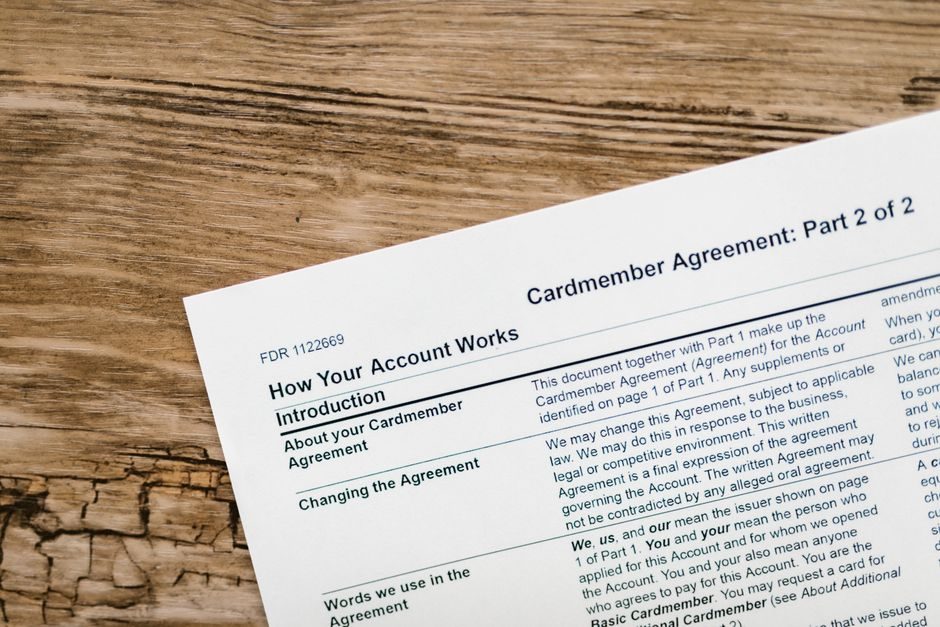
Checking, savings, and investment accounts each serve a distinct purpose. A practical choice often blends these, reserving liquidity while pursuing growth. Consider liquidity needs and tax implications when selecting an account mix. On your next visit, check what's on in Atherton, California to align local options with financial planning topics.
Measuring convenience vs cost
Convenience features—mobile deposits, transfer speed, customer service—often come with higher costs. Compare access to funds, transfer limits, and support quality. Weigh these benefits against annual fees and interest changes over time.
Practical options for investing
Passive vs active choices
Passive investing tracks broad indices and usually costs less. Active strategies aim to beat the market but require more time and risk tolerance. Decide which approach fits your discipline and research capacity. List your business in Atherton, California
| Method | Typical Costs | Ideal use |
|---|---|---|
| Passive index funds | Low | Long-term growth with minimal effort |
| Active funds | Moderate to high | Seeking higher returns with research |
| Crypto exposure | Moderate | Small allocation within a diversified plan |
Crypto basics and risk
Cryptocurrency remains volatile and is a small portion of many portfolios. Understand custody, security, and tax rules before allocating. Keep exposure modest and aligned with your overall risk profile.
Establish a disciplined cadence, such as quarterly reviews, and stick to a pre-set rebalancing plan.
Common pitfalls to avoid

Fee surprises
Hidden charges can creep in through transaction costs, fund switches, or withdrawal limits. Read the fine print and simulate how charges accumulate with your activity level. If you run a local service, consider how to post a job ad in Atherton, California to connect with community finance events.
Overtrading danger
Frequent buying and selling often erodes returns more than it helps. Establish a disciplined cadence, such as quarterly reviews, and stick to a pre-set rebalancing plan.
Ways to balance risk and reward
Assessing risk tolerance factors
Understand your capacity to withstand losses before investing. Use a simple framework: time horizon, liquidity needs, and comfort with market swings. This clarity helps size positions and avoid impulsive moves when markets wobble. announce a death in Atherton, California
Compare risk across assets by scenario planning: what happens if rates rise or a major fund underperforms? Decide how much you will allocate to equities, bonds, and cash so that a setback doesn’t derail goals.
Balance is ongoing: reassess annually or after life events. Small, gradual adjustments beat large, one-off shifts that trigger tax consequences or missed opportunities.
- Map your time horizon
- Set a liquidity buffer
- Schedule periodic reviews
Tax-smart investing

Tax-efficient account selection
Choosing the right accounts can lower taxes over time. Tax-advantaged vehicles often suit different goals, such as retirement or education. Align your asset mix with how you’ll use the money, not just what feels fastest to grow.
- Tax efficiency compounds over time.
- Different accounts have different tax treatment; match goals to account types.
- Keep costs low to preserve after-tax gains.
Use tax bands and harvesting strategies to manage gains and losses. Realize losses to offset gains where appropriate, and defer taxes through long-term holdings when possible.
Keep an eye on fees and turnover, which eat into after-tax returns. Favor low-cost, tax-efficient funds and a buy-and-hold approach when it suits your plan.
- Choose Roth vs. traditional where appropriate
- Use tax-loss harvesting with discipline
- Prefer low-cost index funds
Choosing a financial advisor
Finding what fits your needs
Not all advisors are the same. Some provide planning and fee-based investment management, others offer one-stop budgeting and debt advice. Start with a clear list of priorities—retirement, college planning, or debt reduction—and measure fit against those goals.
Ask for a fiduciary standard in writing and a transparent fee schedule. A good advisor explains strategies in plain language and documents expectations before you commit.
Look for accountability and ongoing communication: quarterly reviews, updates on progress, and a plan that changes as life does.
- Define priorities clearly
- Ask for formal disclosures
- Schedule a trial planning session
Smart digital tools and apps

Digital tools that actually help
Start with budgeting apps that categorize spending and set targets you can track weekly. Real-time insights help you stop small leaks before they grow into gaps in your savings.
Use investment apps that offer fractional shares and clear performance data. See how small, regular contributions add up over time with visuals that explain compounding.
Security matters: enable multifactor authentication and review app permissions. Stick to reputable providers and keep devices updated to reduce risk.
- Budgeting apps with auto-categorization
- Investment apps with fractional shares
- Strong security practices
Frequently asked questions
What is the simplest way to begin balancing risk and reward?Start with a personal risk profile, choose a baseline asset mix, and set a rule for rebalancing. Revisit the mix after big life changes or market events to keep risk aligned with goals.
Are tax considerations worth prioritizing in investing?Yes. Choosing the right accounts and using tax-efficient strategies can improve after-tax returns over time. Pair tax planning with a straightforward investment plan rather than chasing short-term gains.
How should I choose a financial advisor?Define your priorities first, verify fiduciary responsibility, and request a transparent fee schedule. Favor advisors who offer clear planning steps and regular progress reviews.
What digital tools are worth using for personal finance?Budgeting apps that auto-categorize spending and investment apps with transparent fees can help you stay on track. Prioritize security, avoid duplicative tools, and limit password fatigue.
A practical path forward
Take stock of your goals, then map an affordable plan across risk, tax, and tools. The aim is a coherent setup that stays usable year after year.
Next step: pick one area—risk balance, tax efficiency, or tools—and implement a concrete change within the week, then review outcomes.
Add India Business News as a preferred source on Google


