

Smart budgeting for Swiss buys: practical, clear guidance
A practical English guide for IndiAbn readers: how to manage money when buying coined items abroad, with steps, tips, and common pitfalls explained clearly.

If you regularly shop secondhand or consider using Swiss marketplaces, this guide shows how to evaluate value, plan payments, and protect your money. You’ll learn practical steps to compare prices, track total costs, and avoid common traps when buying across borders.
Starting with the essentials, you’ll get a framework to assess fit, timing, and risk before a purchase. The goal is to help you decide when a deal is worth it and how to handle funds without overpaying.
Each paragraph offers concrete actions, from budgeting for purchases to verifying listings and timing withdrawals. The methods apply whether you buy locally or from neighboring countries, with a focus on clear cost thinking and safe payment practices.
- Plan purchases with all-in costs in mind, not just the sticker price.
- Protect payment data and use buyer protections when possible.
- Track currency effects and be disciplined about savings for cross-border buys.
- Balance credit use with savings to avoid costly interest.
Basics of planning purchases
Assess true cost and timing
Start with the total price, including shipping, taxes, and import fees. Compare the item’s daily use value to the money tied up in it. Consider whether a delay could improve the deal or avoid rush buying. Gebrauchtwaren in der Schweiz
If you can wait for a sale or price drop, you often save more than the item’s initial discount. Create a simple math check: price plus fees versus expected benefit from the item.
Look for hidden costs early, like returns or restocking fees, and factor them into your budget before confirming any purchase.
- Calculate all-in costs before committing
- Set a flexible timeline to avoid rushed buys
- Identify hidden charges early
Identify trusted sources
Trustworthy listings and platforms reduce risk. Check seller history, return policies, and payment protections. Compare multiple listings to avoid overpaying for the same item.
Favor platforms with buyer protection and clear dispute processes. Read user reviews for patterns of reliability. If a seller cannot provide a return window, treat the listing as high risk.
Consider local pickups to inspect items first when possible, which lowers post-purchase surprises.
- Look for verified seller badges
- Check return policies
- Prefer payment methods with buyer protection
How to manage funds for cross-border buys

Set a spending envelope
Create a monthly limit for non-essential purchases and stick to it. Use separate accounts or cards for different categories to prevent spillover from impulse buys. A useful resource on this topic: aktuellnews.ch Nachrichten.
- Establish a distinct spending envelope for cross-border buys.
- Name the item and cost to keep records clear.
Track every outbound payment with a simple note: item, source, expected saving, actual cost. This makes budgeting easier at month end.
Review currency exposure options like favorable exchange windows to cut costs if you frequently buy from neighboring regions.
- Use separate budget lines for cross-border items
- Record every purchase with purpose
- Monitor currency shifts to time payments
Protect payment data
Use payment methods that offer buyer protection and reversible charges if possible. Avoid giving card details directly on sketchy sites. Prefer merchant credentials and trusted checkout flows.
Enable two-factor authentication on banking apps and keep device security current. Report any unfamiliar charges promptly to your bank.
Know how refunds appear in your account and what timelines to expect, so you don’t misread a refund as a loss.
- Choose protected payment methods
- Enable 2FA
- Watch for unauthorized charges
Options for financing small global buys
Short-term savings vs credit
For small, urgent items, consider saving up over a few weeks rather than relying on credit. The delay can prevent interest costs and overpayment. Weigh this against the item’s utility and urgency. A useful resource on this topic: Veranstaltung bewerben in der Schweiz.
If you must borrow, compare terms, fees, and total repayment. Pick the lowest cost option that aligns with your budget.
Avoid high-interest quick loans and store cards that add up quickly.
- Prefer savings over credit for small items
- Compare loan terms before borrowing
- Avoid high-interest options
| Method | Pros | Cons |
|---|---|---|
| Savings over borrowing | Low cost, avoids interest | Delay in gratification; may slow urgent needs |
| Credit with low fees | Faster access to funds | Total cost may be higher due to fees |
| Local marketplace inspection | Better item certainty | Limited availability |
Utilize local marketplaces
Local marketplaces in neighboring regions can offer comparable goods at lower total costs once you include shipping. Look for buy-and-pickup options to inspect before paying.
- Compare local pickup vs shipping
- Inspect items before payment
- Negotiate delivery terms if possible
Plan purchases around favorable rates but recognize that timing may delay usefulness of the item.
Pitfalls to watch

Overestimating benefits
The perceived savings from a bargain can mask hidden costs, like return friction or after-sale support. Always simulate the full lifecycle cost. A useful resource on this topic: Unternehmen im Schweiz Branchenbuch listen.
- Ask about return windows
- Check after-sale support
- Estimate the full lifecycle cost
Currency and timing traps
Exchange rates shift, timing can alter totals by more than expected. Plan purchases around favorable rates but recognize that timing may delay usefulness of the item.
Keep currency conversion records to understand true costs and avoid surprise charges.
Use a transfer method with predictable fees to minimize hidden costs.
- Track exchange rate changes
- Keep conversion receipts
- Choose predictable-fee transfers
Tax considerations for cross-border shopping
Tax thresholds and duties overview
Cross-border purchases trigger different tax rules depending on where you buy and where you use the item. For Switzerland-bound buys, know when imports owe VAT or duties and how declared values affect charges. Use a simple checklist to confirm whether you owe tax at purchase, upon receipt, or at tax filing. Trauermeldung in der Schweiz is a phrase that may appear in related cross-border contexts but should be understood in its local own phrasing when discussing Swiss tax and import rules.
When you shop from abroad, you may encounter VAT at the point of sale or customs duties on arrival. Compare the total cost after all charges to buying locally, and factor in currency effects. This helps you avoid surprises at delivery and plan better for larger items.
If you regularly buy overseas, keep digital receipts and track shipment values. A running log makes it easier to report accurate totals for tax periods and reduces the chance of misclassification on paperwork. This habit also supports future audits or inquiries.
- Track purchase dates and values
- Know if VAT is charged at checkout
- Record shipping and insurance costs
- Keep all import documents
Tax implications of secondhand goods in your country
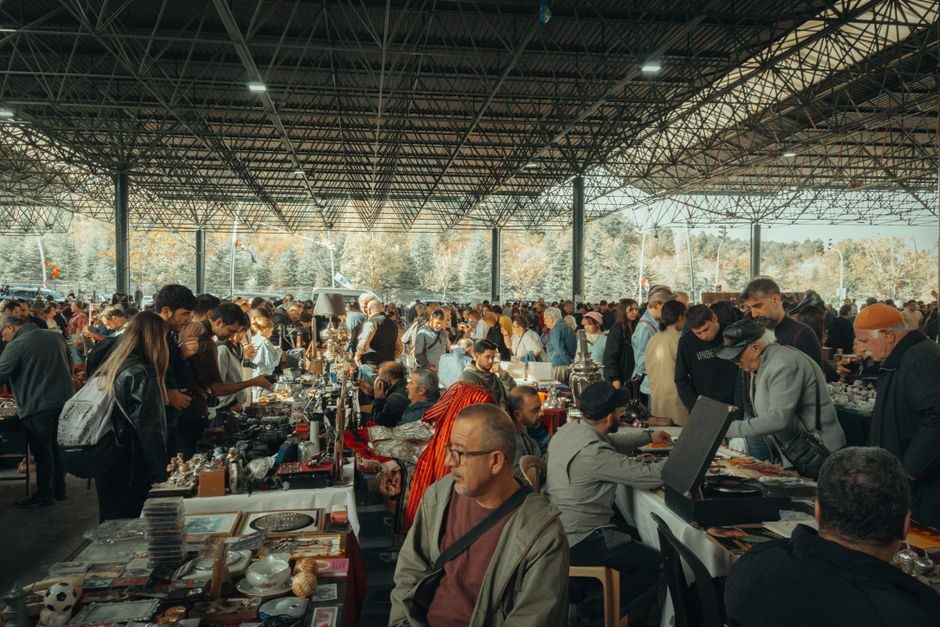
VAT treatment for used items
Secondhand goods can have different tax handling than new items, especially in online marketplaces. Some jurisdictions apply reduced rates or exemptions to used goods, depending on the sale context and the seller’s status. Confirm how your country treats purchases you bring in from abroad.
- Know local VAT rules for used goods
- Keep itemized proof of price and condition
When you buy used items from abroad, ask the seller for a clear invoice that shows the item’s condition and declared value. This helps with accurate tax reporting and reduces disputes at customs. It also supports any future resale you may conduct.
Keep in mind that some regions require the buyer to self-assess VAT on used goods if the seller didn’t charge it. Staying proactive here avoids penalties and aligns with local tax rules.
- Ask for itemized invoices
- Check local VAT rules for used goods
- Document item condition and price
- Be aware of self-assessment requirements
Digital payments and security practices
Secure payment methods
Choose payment methods that offer buyer protection and clear dispute processes. Credit cards and reputable digital wallets often provide refunds for fraud or non-delivery. Avoid methods with limited recourse, especially for high-value cross-border purchases.
For larger buys, enable two-factor authentication on your payment accounts and use unique, strong passwords. This reduces the chance of credential theft. Regularly review account activity to catch unauthorized transactions early.
Before confirming a cross-border payment, verify merchant details and ship-to addresses. A small extra effort upfront can prevent larger losses from fake listings or misaddressed packages.
- Use protected payment channels
- Enable 2FA and strong passwords
- Verify merchant and shipping details
- Monitor account activity
Building a personal finance checklist for cross-border buys
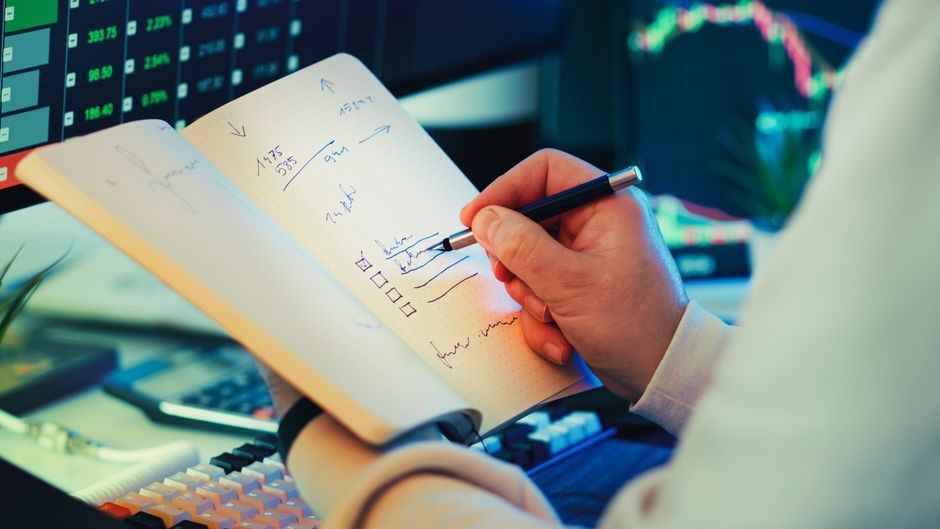
Checklist framework for international purchases
Create a simple framework to assess each cross-border purchase: purpose, total cost, timing, and risk. A quick calculation can reveal if a Swiss purchase or a foreign alternative is cheaper after fees and currency effects.
- Define purpose for each cross-border purchase
- Estimate total cost including duties and fees
- Keep receipts and warranties organized
Include a step to compare delivery times and potential duties. Quick simulations with different suppliers help you avoid rush fees or unexpected charges at customs.
Maintain a rolling log of planned buys with reminders for receipts, tax documents, and warranty information. A disciplined system makes future budgeting more accurate and predictable.
- Define purpose and value
- Estimate total cost with fees
- Record receipts and warranties
- Review currency impacts
Frequently asked questions
Can I avoid paying taxes on cross-border purchases?Taxes and duties depend on where the item is shipped, where you reside, and local rules for imports. Most cross-border buys incur some form of tax or duty, unless an item is exempt. Planning ahead helps you choose between local alternatives and foreign options with clear cost estimates.
What should I do if a supplier refuses to provide proper documentation?Ask for an itemized invoice and shipping details before payment. If the seller cannot provide proof, reconsider the purchase. Poor documentation increases the risk of tax complications and delivery disputes.
How can I protect my payment information abroad?Use trusted payment methods with buyer protections, enable two-factor authentication, and avoid saving card details on unfamiliar sites. Check for secure connections (https) and verify the merchant’s contact information before paying.
Is there a quick way to estimate duties on arrival?Check the destination country’s customs site for tariff classifications and duty rates. Use the declared value plus shipping to estimate potential charges, so you’re not surprised when the item arrives.
Moving forward with smarter cross-border buying
Take stock of your regular abroad purchases and identify where tax or duty savings are realistically possible without sacrificing reliability. The goal is to streamline the cost picture across shipping, currency, and fees, not to rush into deals.
Build a simple monitoring system: a notebook or app that tracks receipts, tax documents, and warranty information for every cross-border purchase. This makes future planning faster and more accurate, especially when reviewing yearly budgets and cash flow.
Add India Business News as a preferred source on Google


