

How to Promote Your Event on BookMyShow: Practical Guide for Finances
A clear, finance-minded guide showing step-by-step ways to promote events on BookMyShow, with budgeting tips, risk checks, and practical examples for readers.

If you want to promote an event effectively, you need a plan that fits a budget and a clear audience path. This guide translates how BookMyShow can fit into practical event promotion for readers who manage money, save, and invest. You’ll see concrete steps, common mistakes, and ways to measure results without overspending.
First, understand what BookMyShow offers beyond tickets: visibility options, audience targeting, and potential partnerships. The goal is to align promotion with your financial plan, not overspend in hopes of quick returns. This approach keeps events financially sane while still reaching the right people.
Third, you’ll learn how to choose formats that match your goals, estimate reach, and set a budget cap. The emphasis is on actionable steps that can be applied to local meetups, workshops, or larger programs. The result is a practical framework you can reuse for future events.
- This guide explains how to promote an event on BookMyShow with a focus on financial practicality. You’ll learn budgeting, messaging, distribution, and measurement tactics that protect your funds while maximizing reach. Use the provided boxes and steps to build a repeatable process.
- Expect clear budgeting caps, tested messages, targeted audiences, and quick adjustments based on performance. The approach keeps financial risk low while offering tangible promotion gains.
- Apply the framework to any event type within your means, and reuse the steps for future campaigns without chasing hype or over-promising results.
Foundations of event budgeting
Budgeting mindset for events
Start with a clear budget that includes promotion, venue, and contingency. Identify which promotion features on BookMyShow deliver the best value for your audience. Compare expected reach to cost and set a cap you won’t exceed. promote your event in the USA
- Define total promo budget in dollars and time window.
- List core promo options and estimated cost bands.
- Set a threshold to pause if key metrics miss targets.
- Keep a separate contingency fund for last-minute needs.
Know your audience and tailor spend to their behavior. Most users respond to concise messages, relevant times, and easy ticketing. Build scenarios that show how spend scales with audience size.
Track results to adjust in real time. If initial spend isn’t delivering, reallocate to higher-performing channels and keep a tight watch on cash flow.
- Set a fixed promo cap
- Choose two core promo options
- Track every dollar spent
- Define a fallback plan
- Review after event
Planning the promo mix
Choose a mix of paid and organic promotion to balance reach and cost. BookMyShow options should align with your event type and audience size. Avoid overreliance on a single channel to reduce risk.
Incorporate timing: early-bird offers, halfway reminders, and day-before prompts help sustain attention. Each phase should connect to a measurable goal.
Prepare a simple forecast that links spend, reach, and ticket goals. If forecast gaps emerge, adjust the mix before you commit more funds.
- Paid vs organic mix
- Timing ladder for promotions
- Forecasting for tickets
- Adjusting mid-campaign
- Clear success metrics
Creating appealing listings and messages

Crafting clear event descriptions
Start with a concise value proposition that tells readers why the event matters. Use plain language and avoid hype that could mislead. Focus on outcomes like skills gained or experiences offered. A useful resource on this topic: Bcoin Talk USA.
Highlight timing, accessibility, and any prerequisites so readers can decide quickly. Readers short on time value crisp bullets and a prominent call to action.
Test different descriptions for clarity and resonance. Small wording changes can improve click-through without changing the offer.
- Strong value prop
- Clear timing and access
- Simple call to action
- Benefit-focused bullets
- Clarity above all
Visuals and consistency
Invest in clean visuals that reflect the event’s professional tone. Simple images with readable text perform better for busy readers. Ensure branding is consistent across all promo materials.
Use a consistent color scheme, typography, and logo treatment that aligns with your budget and rules. Poor visuals can undermine credibility and deter potential attendees.
Test visuals on small screens and in thumbnail sizes to ensure legibility and appeal.
- Brand consistency
- Readable typography
- Mobile-friendly visuals
- Thumbnail testing
- Credibility through clarity
Distribution and channels inside the platform
Targeting and audience settings
Learn how to use audience filters to reach likely attendees without wasting spend. Narrow down by interests, location, and behavior to improve relevance and conversion. Start with a small, defined group and expand only if needed. A useful resource on this topic: submit your business in the USA.
Set guardrails to avoid overreach, such as limiting impressions or a maximum spend per user. This keeps costs predictable while you test what works.
Monitor engagement such as clicks and saves to judge where to invest next.
- Defined audience
- Guardrails on spend
- Performance signals
- Iterative testing
- Budget discipline
| Option | Reach potential | Cost control |
|---|---|---|
| Standard listing | Moderate | Low risk |
| Sponsored placement | High | Higher investment |
| Bundles and add-ons | Flexible | Moderate risk |
Timing and scheduling
Align promo timing with ticket dynamics. Early access, reminders, and last-minute boosts each serve different goals. Don’t flood readers with overlapping campaigns.
Coordinate timing with event milestones and local calendars to maximize visibility during peak attention periods. Consider regional events that might affect interest.
Keep a simple calendar and stick to it to avoid confusion and ad-hoc spending.
- Early access window
- Reminder cadence
- Last-minute push
- Calendar discipline
- Regional timing awareness
Compare performance across promo formats to see which delivers the best value for money.
Measurement and adjustment

Tracking key metrics
Identify core metrics such as reach, clicks, saves, and conversions. Track them against a pre-set target to judge success. Use simple dashboards to avoid data paralysis. A useful resource on this topic: advertise a job vacancy in the USA.
Compare performance across promo formats to see which delivers the best value for money. Favor options that sustain momentum without overspending.
Schedule quick weekly reviews to catch trends early and reallocate funds as needed.
- Reach and impressions
- Clicks and saves
- Conversions
- Cost per action
- Weekly reviews
What to avoid
Avoid vague promises that mislead readers or require excessive refunds. Clear terms and honest expectations build trust and reduce chargebacks. Inconsistent messages waste time and money.
Be cautious with aggressive upsell tactics that may deter potential buyers. Subtle value propositions tend to perform more reliably over time.
Don’t neglect post-event feedback; use it to inform future pricing, offers, and messaging.
- Honest expectations
- Resist hard upsell
- Gather post-event feedback
- Iterate pricing strategy
- Maintain refunds clarity
Analytics-driven growth
Audience data harnessing
Start with a clear event objective and map it to audience segments that matter for your budget. Use basic platform metrics to track who views listings, who clicks through, and who proceeds to ticket purchase. Apply simple cohort thinking to see if certain audience groups convert at higher rates. For readers gathering ideas, funeral notices in the USA can be part of community event awareness if approached respectfully and with transparent timing.
- Identify the most responsive audience groups early.
- Test pricing and messaging with small, fast iterations.
- Track a core set of metrics to guide adjustments.
Experiment with price points and messaging for your most responsive segments. Run small, time-bound tests to see which headlines, images, or benefits drive engagement. Record results in a shared sheet to avoid repeating mistakes.
Translate insights into a simple monthly plan: adjust copy for top segments, tweak visuals, and refine the call to action. Avoid overcomplicating the analytics; focus on the few metrics that predict purchase behavior.
Regulatory and compliance
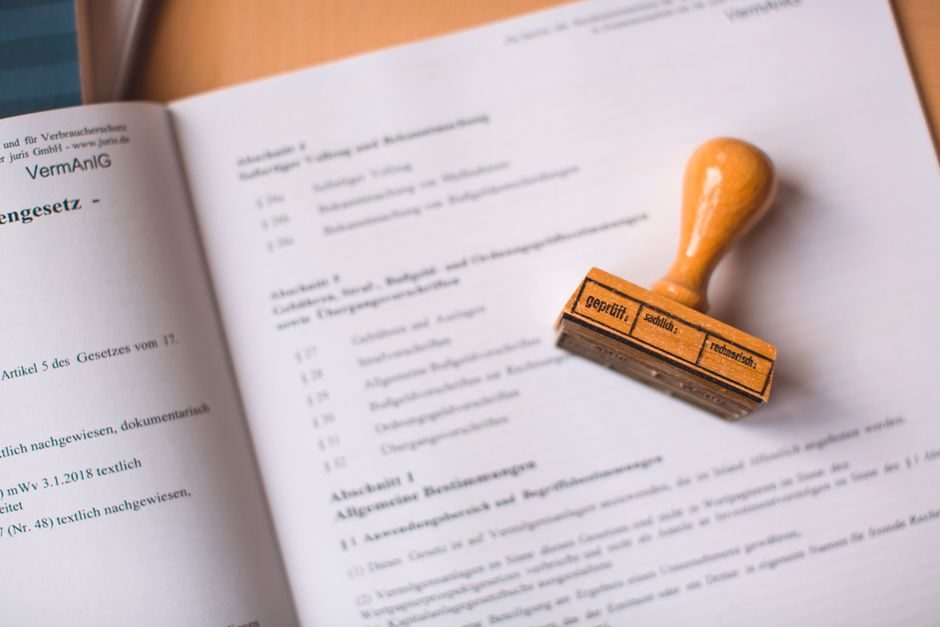
Platform rules and local laws
Understand the platform’s terms and how they affect promotions, including ticketing rules and refund policies. Align your listing with any required disclosures to avoid listings being penalized. Keep a simple reference sheet for team members to reduce missteps.
Check regional consumer protection norms that influence event advertising, such as clarity of pricing and no hidden fees. Ensure your promotional language doesn’t misrepresent the event or mislead buyers. Stay consistent across all channels to minimize confusion.
Document compliance checks in a shared log and assign a compliance owner for each campaign. Regularly review changes in rules and update templates promptly. Treat compliance as a practical workflow, not a one-time pass.
Global promotion ethics
Cultural sensitivity in ads
Craft messages that respect diverse audiences and avoid stereotypes or culturally insensitive references. Localize imagery and language where appropriate while maintaining your brand voice. Test visuals with small, representative groups to catch unintended biases.
Be transparent about fees, taxes, and delivery expectations in every market. Offer clear refund policies and accessible customer support. Maintain consistency between the platform listing and external communications to build trust.
Balance global reach with regional relevance by highlighting universally appealing benefits and concrete, relatable examples. Keep tone professional and helpful, avoiding hype that could mislead readers. Review content for clarity and accuracy before publishing.
- Localize without stereotyping
- Be upfront about costs
- Check translations for accuracy
Future-ready promotions
Sustainable promotion planning
Plan promotions with a long tail rather than one-time bursts. Space offers so demand can grow gradually and avoid price crashes. Use evergreen messaging that remains useful beyond a single campaign window.
Incorporate flexible budgeting that tolerates volatility in attendance forecasts. Build templates for recurring events to reduce setup time and ensure consistency. Document repeatable processes so new team members can execute confidently.
Create a playbook that combines data learnings with tested creative formulas. Include safe, repeatable steps for updating listings and messaging based on performance. Treat the playbook as a living document that evolves with results.
- Stagger promotions for steady demand
- Use evergreen messaging
- Maintain a reusable playbook
Frequently asked questions
What is the most important metric for BookMyShow campaigns?Focus on the conversion rate from viewing the listing to purchasing. This tells you whether your listing, pricing, and calls to action are aligned with buyer intent. Track changes over time to see if adjustments improve the path to purchase.
How should I handle refunds and cancellations in promotions?Be explicit about refund terms in your listing and marketing materials. If possible, offer clear policies that reduce buyer risk, such as a money-back window for events with uncertain turnout. Consistent messaging builds trust and lowers post-purchase anxiety.
Can I promote events internationally without extra cost?Yes, but tailor the messaging to regional markets. Localize key benefits and update pricing disclosures to reflect local expectations. Start with a small pilot in a new region before scaling up to avoid wasting resources.
What practices help prevent policy violations on the platform?Maintain accurate event details, avoid misleading claims, and disclose all fees. Use approved templates and royalty-free visuals. Regularly review platform guidelines and update your templates when rules change.
Practical growth playbook
A thoughtful, compliant approach to promoting events on BookMyShow balances audience insight with clear expectations. Start by aligning your listing with a simple plan and measure the impact against the core conversion metric you choose. Treat every promotion as a learning loop that informs the next campaign.
Next, build a compact, repeatable framework: define audience segments, test messages, and track outcomes in a shared log. Use that framework to roll out cross-channel efforts with consistency. With disciplined workflows, you can improve both reach and efficiency over time.
Add India Business News as a preferred source on Google


