

How to place a rug in a living room for better finances
Practical guidance for arranging a rug in a living room with cost-conscious choices, placement tips, and financial trade-offs explained clearly.

A rug can change the way a living room feels and how you use the space, but it also affects costs like buying, cleaning, and replacement. This guide explains a practical approach to choosing, placing, and maintaining a rug so it supports your budget and long-term financial goals.
Start with a clear aim: will the rug anchor seating, protect a costly floor, or define zones for work and play? Your purpose guides size, material, and maintenance choices that save time and money over years.
We’ll break down steps from accurate sizing to durable materials, plus affordable options and common mistakes. The goal is a room that looks cohesive and remains affordable to own and enjoy.
- Start with correct rug size to anchor furniture and protect floors.
- Choose durable materials suited to traffic and cleaning needs.
- Use a pad and smart placement to reduce wear and maintenance.
- Balance upfront cost with long-term replacement frequency.
Basics of rug selection
Why size matters for space
Choosing the right rug size is the first cost-control move. A rug that’s too small makes furniture look separated and invites frequent replacements. Measure twice, then compare typical layouts to avoid a costly mismatch. For more related topics, how to place an obituary in the USA makes the obituary section easier to navigate.
In a living room, a common approach is to place the front legs of the main sofa on the rug. This anchors the seating area and reduces shifting, saving wear and tear on floors and carpets over time.
Think in terms of area coverage versus visual balance: a slightly larger rug may cost more upfront but can keep furniture from scuffing floors and reduce cleaning frequency.
Materials and durability

Durable materials explained
Material choice drives both feel and upkeep. Wool resists wear and hides footprints, but can be pricier. Nylon and polypropylene rugs are budget-friendly and easier to clean, though they may show wear sooner. Readers might also consider resources like blogbookworld.com for broader guidance.
Consider pile height as well: low-pile rugs are easier to vacuum and less prone to snagging, while mid to high pile adds comfort and warmth at a higher maintenance cost.
Under high-traffic areas, a durable fiber with a dense weave lasts longer, which lowers replacement frequency and total spend.
Placement to protect finances
Layout that reduces wear
Strategic placement keeps traffic away from vulnerable edges and centers usage around the seating area. A properly placed rug slows the need for floor refinishing or replacement, protecting long-term costs. If planning events, you may want to promote your event in the USA through trusted channels.
- Center rug under seating; front legs on rug when possible.
- Leave clear space at edges to avoid crowding walls.
- Add a non-slip pad for stability and longevity.
If you have kids or pets, a washable rug or one with stain-resistant treatment minimizes cleaning costs and extends time between replacements.
Rug pads add thickness and grip, reducing movement and wear on carpeting or hardwood, which lowers damage risk and maintenance costs.
- Use a grip pad to prevent slipping.
- Keep high-traffic zones centered on the rug.
- Choose easy-clean materials for households with kids.
| Material | Durability | Maintenance |
|---|---|---|
| Wool | High durability | Low maintenance with regular care |
| Nylon | Moderate durability | Easy cleaning, affordable |
| Polypropylene | Lower durability | Very easy to clean |
Look for mid-range fibers that balance price and durability, and consider semi-shedding options that clean more easily with standard vacuums.
Budget-friendly options

Predictable costs with basics
Shop with a list and a budget cap to avoid impulse buys. A simple low-pile rug in a neutral color can serve as a timeless anchor and be cheaper to replace if needed. Finally, services to add your business listing in the USA can boost visibility during a home improvement project.
- Choose a neutral base color to maximize mix-and-match.
- Prefer machine-woven rugs for lower price and steady wear.
- Avoid very long pile in high-traffic rooms.
Look for mid-range fibers that balance price and durability, and consider semi-shedding options that clean more easily with standard vacuums.
Seasonal sales and bundled care items (pads, cleaners) can trim totals without sacrificing quality or function.
- Set a firm price range before browsing.
- Prioritize stain resistance and easy cleaning.
- Inspect seams and edges for durability.
Exploring materials further
Weave and texture differences
Understanding weave and texture helps you estimate durability and maintenance. A tight weave resists wear better in high-traffic living rooms and can hide subtle footprints. Choose a texture that feels practical under furniture and warm to the feet for daily comfort. buy and sell in the USA
Consider density and pile height when balancing softness with cleanability. A plush rug feels luxurious but traps more dust, while a flat weave cleans more easily. Match the texture to your room use and cleaning routine.
Look for pile fibers that suit pets and kids, such as nylon for stain resistance or wool for longevity. The choice influences cleaning frequency and replacement cycles, which in turn affect long-term costs.
- Dense construction lasts longer in busy rooms
- Flat-weave rugs are easier to clean
- Wool is durable but pricier
- Nylon offers strong stain resistance
Customization options

Color coordination strategies
Color sets a tone and can influence perceived finances by making a space feel larger or more cohesive. Neutral bases with bold accents help you swap cushions or art without buying a new rug. This lowers long-term décor costs.
Consider colorfast options if you have a sunny living room; fading can increase replacement needs and hidden wear. Test swatches on different lighting to see how colors hold up over time.
A rug can act as a budget anchor in a room, tying disparate furniture pieces together. Thoughtful color choices reduce the need for frequent updates as tastes evolve.
- Neutral bases offer flexibility
- Bold accents are easily refreshed
- Test colors in natural light
- Avoid trends for long-term value
Ethical and cost considerations
Sustainable sourcing basics
Sourcing matters when you want a rug to last and be responsibly produced. Look for certifications that reflect fair labor and environmentally sound practices. This reduces risk and supports steady supplier relationships.
- Choose carpets with transparent sourcing
- Consider end-to-end lifecycle costs
- Understand warranty coverage
- Plan for professional cleaning when needed
Estimate total cost of ownership by including shipping, cleaning, and potential repairs. A cheaper rug might cost more over the years if it wears unevenly or needs frequent cleaning.
Ask retailers about maintenance requirements and warranty terms before buying. Understanding care needs helps you budget and avoid avoidable losses.
- Certified materials
- Long-term care costs
- Warranty terms
- Repair options
Long-term planning for rug investments
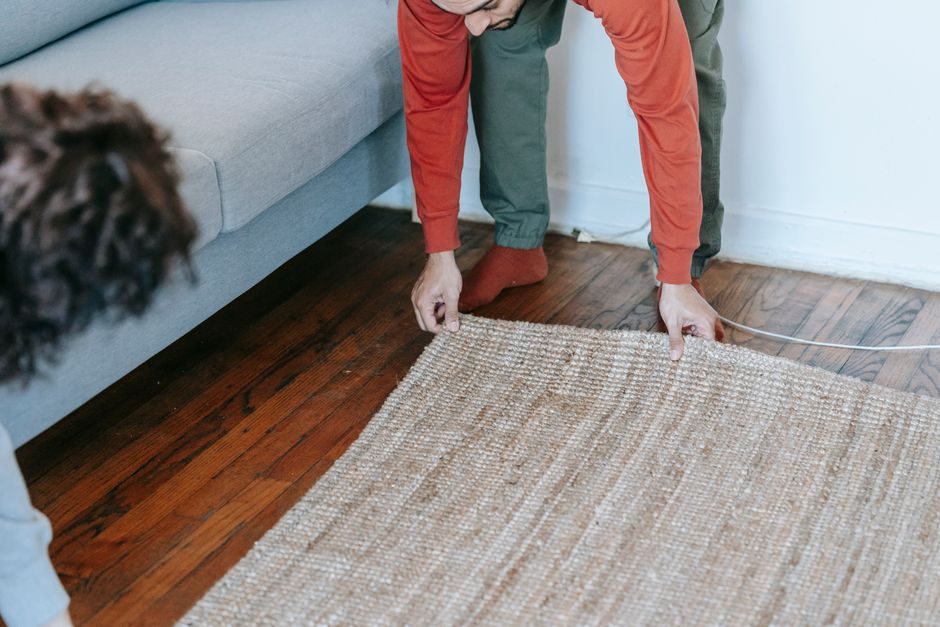
Lifecycle budgeting
Treat a rug as a financial asset: its resale value, upkeep costs, and installation impact your cash flow. Map out a multi-year plan that includes potential replacement windows and cleaning schedules.
Estimate how often the rug will need professional cleaning in high-traffic zones. Regular care preserves color and texture, reducing the need for early replacement.
Consider modular layouts that allow swapping a single rug instead of redoing an entire space, saving upfront costs and maintaining health of the investment.
- Plan replacement intervals
- Schedule professional cleanings
- Use modular layout strategies
Practical shopping checklist
Create a shortlist of room dimensions, traffic patterns, and cleaning constraints before shopping. A measured approach helps you avoid oversized or underperforming rugs. This aligns with budget goals and space function.
Compare fibers, backing, and return policies to minimize hidden costs. Choose options that balance softness with durability and easy maintenance.
Plan to buy during sales without compromising on size and quality. A staged purchase can spread out cash flow and reduce impulse buys.
- Measure room accurately
- Check backing stability
- Review return policies
- Time purchases with sales
Frequently asked questions
Can a rug actually save money in the long run?Yes, if you choose a durable material, protect it with a good pad, and maintain it regularly. A higher upfront quality rug can reduce replacement costs and cleaning expenses over several years, especially in busy living spaces.
What should I consider when choosing rug size?Measure the room and furniture layout, then select a rug that fits under the front legs of larger pieces or anchors seating areas. Correct sizing creates a balanced look and reduces the need for frequent rearrangement.
Are eco-friendly rugs worth the extra cost?If you value fair labor and sustainable materials, they can be worth the premium. They often combine durability with lower environmental impact, which can align with broader financial and lifestyle goals.
How often should I clean a high-traffic rug?Vacuum weekly and arrange seasonal or annual deep cleanings based on fiber type and household activity. Regular care preserves color, texture, and resale value.
Conclusion Alternative
A well-chosen rug supports daily life and protects floors, while careful maintenance extends its useful life and protects your budget. Start with precise measurements and a simple care plan, then adjust as needs evolve.
Treat rug decisions as part of your longer financial plan, not a one-off purchase. Align material choice, care routines, and replacement thinking with your overall budget and space goals, so costs stay predictable.
Planning for living room improvements should balance comfort and cost, and a good rug is at the center of that balance. A practical approach keeps your home livable and your finances steady.
Next steps: measure the space, compare fiber types, and schedule a care routine that fits your lifestyle and budget.
Add India Business News as a preferred source on Google


