

How to Invest in the Stock Market: A Beginner’s Guide
Learn how stock-market investing works in India, open an account, compare shares with funds and build a long-term approach while managing risk.

To invest in the stock market as a beginner in India, first set a financial goal, build an emergency reserve and decide how much you can invest without needing it soon. Open a demat and trading account with a registered broker, then choose diversified investments that suit your risk tolerance. Invest regularly, keep costs in view and avoid making decisions based on short-term price moves.
A share represents a small ownership stake in a company, while a fund pools money to hold a range of investments. Both can rise or fall in value, and neither offers guaranteed returns. Understanding what you own, why you own it and when you may need the money is more useful than trying to predict daily market movements.
This guide explains how buying and selling work in India, the first practical steps to take, and how individual shares compare with funds. It also sets out common risks and checks to consider before investing. The emphasis is on building a considered long-term approach, not on trading tips or promises of quick gains.
- Open trading and demat accounts with a registered broker, and check the charges before placing an order.
- Invest money suited to your goal and time horizon, keeping emergency savings separate.
- Compare individual shares and funds by their risks, costs, diversification and the effort they require.
- Use research and a written plan instead of reacting to short-term price moves.
What buying a share means
Ownership and company value
Buying a share makes you a part-owner of a company, in proportion to the shares you hold. That ownership may bring voting rights and, when a company declares them, dividends; it does not give you a guaranteed income. The share price can change as investors reassess the company’s prospects, financial results and wider market conditions.
- Choose a company listed on an exchange and check its available information.
- Place an order through a trading account with a registered broker.
- The exchange matches eligible buy and sell orders.
- After settlement, the shares are held electronically in your demat account.
Imagine buying shares in a listed manufacturer: your investment’s value depends partly on how the company performs and how the market values its future. Strong sales do not automatically mean the share price will rise, because investors may already expect growth. A weaker outlook, new competition or changing costs can also affect the price.
A share’s quoted price is not the same as the company’s underlying worth, and a low price alone does not make it a bargain. Investors compare a company’s financial position, business model and valuation with its prospects. This takes research and still cannot remove uncertainty, so investing in one company exposes you to risks specific to that business.
Returns and ownership risks
Investors may earn returns if they sell shares for more than they paid or receive dividends declared by the company. Neither outcome is assured: prices can fall, and a company can reduce or skip dividends. Returns also depend on how long you hold the investment and on any applicable charges and taxes.
A shareholder ranks behind creditors if a company fails, and ordinary shareholders may lose some or all of their investment. Even a profitable company can face falling demand, debt pressure or poor management decisions. Holding shares in several companies can reduce reliance on one business, though it cannot prevent losses across the market.
Before buying, ask what evidence supports your decision and what could change your view. Read company announcements and financial reports rather than relying only on tips, headlines or a rising chart. If you cannot explain how the business earns money and why its risks fit your plan, waiting or choosing a diversified fund may be more suitable.
- A share is ownership, not a deposit.
- Dividends are not guaranteed.
- Share prices can fall sharply.
- Company-specific losses can be substantial.
How stock-market investing works in India
Accounts, exchanges and settlement
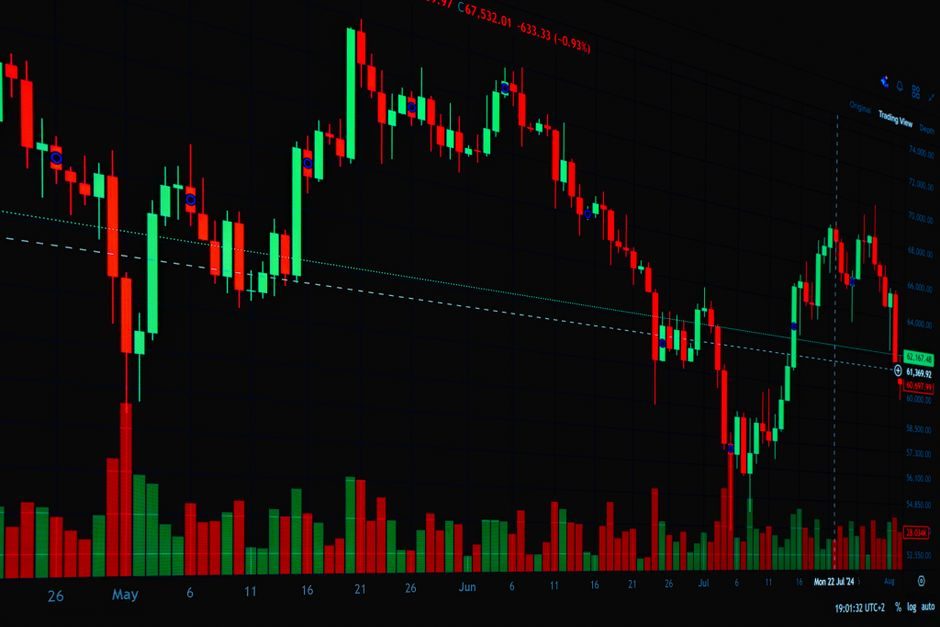
To buy listed shares in India, investors generally use a trading account to place orders and a demat account to hold securities electronically. A broker routes orders to an exchange, where they can match with other investors’ orders. Before opening accounts, check the provider’s registration, fees, service terms and security practices.
When you place an order, you choose whether to buy or sell, the security and the quantity. A market order seeks execution at available prices, while a limit order sets the price you will accept; a limit order may not execute. Check the order details carefully, especially the company name, quantity and order type.
After a trade, settlement processes the exchange of funds and securities under the prevailing market rules. Your broker’s statements and account records help you verify what was bought, sold and charged. Keep your login credentials private, use available security controls and contact the broker through verified channels if a transaction looks unfamiliar.
Orders, costs and records
The amount you invest is not always the only cost to consider. Brokerage, exchange-related charges, taxes and other levies may apply, and the details depend on the transaction and provider. Review the current schedule of charges before trading so you can understand the effect of costs on smaller purchases and frequent activity.
A broker’s contract note records trade details and charges, while account statements show holdings and transactions. Keep these documents for your own records and check them against the orders you placed. If a fee or holding seems incorrect, raise the issue promptly through the provider’s official support and retain the relevant records.
For Indian investors, rules and tax treatment can change, so check current official guidance or seek qualified advice for your circumstances. Do not assume every asset or transaction is taxed in the same way. A simple record of purchase dates, costs, sales and dividends can make it easier to review your portfolio and complete required reporting.
- Check the broker’s full charge schedule.
- Review each order before submitting it.
- Save contract notes and account statements.
How to take your first steps as an investor
Set a goal before investing
Start by matching the investment to a goal and its time horizon: money needed soon should not depend on an uncertain share price. Keep an emergency reserve separate, and avoid investing money needed for essential expenses or near-term commitments. A longer horizon can give an investment more time to recover from market falls, but cannot guarantee recovery.
Decide how much risk you can tolerate by considering both your finances and your reaction to losses. If a temporary fall would force you to sell or disrupt essential plans, a high allocation to shares may not suit you. A guest post marketplace is a publishing channel, not an investment service, so do not confuse company visibility with financial evidence.
Write down a basic plan: the purpose of the investment, the type of assets you will hold and the conditions that would prompt a review. This can help you distinguish a considered change from a reaction to market noise. Review your plan when your goals, income or responsibilities change, rather than changing investments after every price swing.
- Separate emergency savings from investments.
- Set a goal and time horizon.
- Choose a level of risk you can withstand.
- Decide how and when you will review.
| Approach | What you choose | Main consideration |
|---|---|---|
| Individual shares | Specific listed companies | Requires company research |
| Index fund | A portfolio tracking an index | Check tracking and costs |
| Actively managed fund | A manager-selected portfolio | Review strategy and fees |
Research and place a first order
Research an investment using sources that explain its holdings, business or strategy, risks and costs. For a company, begin with its official disclosures and financial statements; for a fund, read its scheme documents and portfolio information. Treat social-media claims and unverified tips as prompts to investigate, not as a substitute for evidence.
Before placing an order, confirm the security, quantity, order type and available balance. A limit order can help specify the highest price you are willing to pay, but it may not execute if the market does not reach that price. Avoid borrowing to invest or placing an order simply because a price has recently risen.
After investing, check that the transaction appears correctly in your records and understand what you own. Decide in advance how often you will review the holding and what meaningful changes would justify action. A steady process can limit impulsive decisions, but regular investing does not remove market risk or ensure a profit.
Individual shares let you select specific companies, but you must research each business and accept the risk that one holding performs poorly.
Choosing between individual shares and funds

Control versus diversification
Individual shares let you select specific companies, but you must research each business and accept the risk that one holding performs poorly. A fund holds a collection of investments according to its stated approach, which can spread exposure across companies or other assets. Diversification can reduce reliance on one holding, but it cannot prevent losses when markets fall.
Funds also differ: some track an index, while others follow an actively managed strategy or focus on a particular part of the market. Check the fund’s objective, holdings, risks, charges and how closely its investments match your needs. A narrow fund may still concentrate risk, so the word “fund” alone does not mean broadly diversified.
Choose based on the time and knowledge you can commit, not on which option sounds more sophisticated. Investors selecting shares need a repeatable research process and a willingness to monitor company changes. Investors choosing funds still need to understand the portfolio, costs and risk; white label press release distribution is an agency service, not evidence for an investment decision.
- Shares offer company-by-company choice.
- Funds can spread exposure across holdings.
- Check a fund’s strategy and concentration.
- Neither option guarantees a return.
Costs, effort and fit
Compare the total costs and effort involved before choosing. Buying individual shares may involve transaction charges and substantial research time, while funds have their own expenses and may also incur transaction costs. Read the latest documents and fee information, because charges and product terms differ between providers and investments.
An investor with limited time may prefer a diversified fund, provided its holdings and strategy are understood and appropriate. Someone who enjoys company research may choose individual shares, but should still set limits on concentration and review decisions against a written plan. A combination is possible, though adding more holdings does not automatically make a portfolio safer.
Compare choices using the same questions: what does the investment own, what can make it lose value, what does it cost and how does it serve your goal? Avoid selecting a fund or share solely because it recently performed well. Past performance does not establish what will happen next, and the right fit depends on your circumstances.
How to research a company before investing
Read the Business and Accounts
Start by understanding how the company earns money, who buys from it and what could weaken demand. Read its annual report for the business overview, risks, audited financial statements and management discussion, then compare those explanations with recent exchange filings. A product you recognise is not enough; check whether the company can turn sales into durable profits and cash.
Compare several years of revenue, operating profit and cash flow rather than relying on one strong quarter. Check whether debt is manageable and whether cash from operations broadly supports reported earnings. A company can report profits while customers pay late or working capital absorbs cash, so follow the notes to accounts for details that explain large changes.
Public communications can add context about a company’s customer and investor outreach, but they do not establish business quality; a marketing agency directory can help identify firms involved in that work. Give greater weight to audited results, exchange disclosures and clear explanations of material risks. Treat promotional language as a prompt to verify claims, not as evidence that the shares are attractively valued.
- Read the latest annual report and exchange filings.
- Compare revenue, profit and operating cash flow over time.
- Check debt, cash balances and share dilution.
- Write down the main business and regulatory risks.
Assess Valuation and Governance
A sound business can still be a poor investment if its share price already assumes unusually strong growth. Compare valuation measures such as price-to-earnings with the company’s own history and with similar businesses, while accounting for differences in debt, growth and profitability. These comparisons help frame expectations; they do not identify a single correct price.
Read disclosures about promoters, related-party transactions, auditor changes and pledged shares, and look for clear explanations when these items change. Check whether management’s past targets were met and whether the stated reasons for missed goals are specific. Governance concerns deserve attention even when recent earnings appear strong, because shareholders depend on trustworthy reporting and fair treatment.
Keep your conclusion written in plain language: what the company sells, why customers may keep buying, what could damage its prospects and what price assumptions appear built into the share. If you cannot explain those points, wait rather than buying because of a tip or headline. Revisit the evidence when new results or material disclosures arrive, not whenever the share price moves.
Risks and mistakes beginners should watch for

Control Risk Before Buying
The price of an individual share can fall sharply, and there is no assured return or guaranteed recovery time. Decide how much of your savings can remain invested through a downturn without forcing you to sell for everyday expenses. Keep emergency money separate and avoid investing funds needed soon for rent, tuition, medical costs or other planned payments.
Diversification reduces dependence on one company, industry or investment theme, but it cannot prevent losses across the whole market. A beginner with a small portfolio may find a diversified fund simpler than trying to spread limited money across many shares. Before buying, consider how a fall in the investment would affect your finances and whether you could stay invested.
When reading a company’s public claims about results or strategy, remember that organisations may buy sponsored posts to reach audiences; such material is not independent proof of investment quality. Look for the underlying exchange filing or financial statement and compare claims with reported figures. Make investment decisions from verifiable evidence, not from the prominence or polished presentation of a message.
- Keep near-term expenses out of shares.
- Avoid borrowing to invest.
- Spread exposure across companies or funds.
- Decide in advance what loss you can tolerate.
Avoid Emotion and Trading Traps
Buying because a share is rising, or selling in panic after a fall, can turn short-term emotion into lasting damage. Decide why you own an investment before placing an order and record the conditions that would change your view. This gives you a reasoned reference point when news, online discussion or daily price movements create pressure to act.
Do not assume frequent trading is necessary to make progress, and be wary of tips that promise quick gains or certain outcomes. Trading can involve repeated costs, taxes and difficult timing decisions, while a long-term investor still needs to review company fundamentals. Never treat a social-media post or a friend’s recent profit as a substitute for your own checks.
Use limit orders when you want to set a maximum purchase price, and review every order before confirming it. Check the company name, exchange, quantity and order type, since a rushed mistake can be costly. If you do not understand a product, including derivatives or margin facilities, stay with investments whose risks and mechanics you can explain.
Habits that can support long-term investing
Build a Repeatable Routine
A regular investing routine can keep decisions tied to your plan instead of daily market swings. Choose an amount that fits after essential expenses and saving for emergencies, then invest at a pace you can maintain through both rising and falling markets. Consistency does not remove risk, but it can reduce the temptation to wait for a supposedly perfect entry point.
Set a recurring calendar reminder to review new results, material company announcements and major changes to your original investment case. A company’s public announcements may be carried through channels such as cheap press release distribution, but the announcement itself is not a reason to buy or sell. Verify important claims in formal filings and assess whether they change the business outlook.
Keep a short investment record with the purchase reason, expected holding period and risks you considered. Add notes when new information changes your view, rather than rewriting the original case after the fact. This simple record helps distinguish a genuine change in fundamentals from discomfort caused by a temporary decline or excitement about a rising share price.
- Set an affordable, repeatable contribution amount.
- Record the reason for each investment.
- Review material filings on a schedule.
- Keep emergency savings separate from investments.
Keep Learning From Evidence
Use annual reports, exchange filings and investor presentations to learn how a company describes its operations and risks. Compare the presentation with audited statements and earlier disclosures, especially when management changes how it reports a measure. Learning to ask what changed, why it changed and whether cash supports the explanation is more useful than collecting market jargon.
Build knowledge gradually by focusing on one unfamiliar concept at a time, such as operating cash flow, valuation or dilution. Apply it to a company you follow and write down what the measure can and cannot tell you. This prevents a single ratio from becoming a shortcut for judging a business with several moving parts.
Keep your information sources broad enough to notice different views, but trace factual claims back to primary documents. Headlines can omit context, and commentary can reflect the author’s interests or time horizon. If you are unsure what a disclosure means, pause and seek a qualified financial professional rather than acting on an interpretation you cannot verify.
How to review and adjust your investment plan

Set Review Triggers
Review an investment when new information could change its business prospects, not just because its share price has moved. Useful triggers include a major change in debt, repeated weakening in cash generation, a shift in regulation or evidence that a key product is losing customers. Check the full filing and compare it with your original reasons for buying before taking action.
- ☐ Check the latest company filing.
- ☐ Revisit your original investment reason.
- ☐ Assess whether the risk has changed.
- ☐ Write down the decision and its evidence.
A company’s outreach activity is separate from its financial fundamentals; a guest posting service is one example of a marketing provider, not a signal to buy or sell its shares. When reviewing a company, focus on verifiable performance, governance and valuation rather than the volume of promotional coverage. A publicity campaign may affect attention, but it cannot by itself establish future earnings.
Avoid making repeated changes in response to small fluctuations that do not affect your investment case. If a genuine change appears, write down what happened, which assumption is no longer reasonable and what options you have. A written decision process helps prevent an impulsive sale and makes it easier to explain why you continue to hold or choose to exit.
- Review new results and material filings.
- Compare developments with your original investment case.
- Separate business changes from ordinary price movement.
- Record the reason for any decision.
Rebalance With Clear Reasons
A portfolio can drift when some holdings rise faster than others, leaving you more exposed to one company, industry or asset than intended. Compare your current holdings with the allocation you chose for your goals and risk tolerance. If a position has become too large, consider whether rebalancing is needed rather than assuming recent gains will continue.
Before selling or adding money, account for taxes, transaction costs and the effect on diversification. You can direct new contributions toward underrepresented parts of a portfolio instead of selling immediately, where that suits your plan. The right method depends on your circumstances, so avoid copying another investor’s allocation without understanding its purpose.
Revisit your plan when your time horizon, income, responsibilities or ability to tolerate losses changes. A goal approaching soon may call for less exposure to volatile shares than a distant goal, while a change in income may affect how much you can contribute. Make adjustments deliberately, document the reason and avoid turning a long-term plan into constant trading.
Frequently asked questions
Do I need a large amount to begin investing in shares in India?You do not need a large portfolio to learn the process, but the amount should be affordable and suited to your financial priorities. First keep money for emergencies and near-term expenses separate. Check your broker’s charges and the minimum order value for the investment you choose, then start at a scale that lets you understand statements, price movements and risk without putting essential savings under pressure.
Should a beginner invest through a mutual fund or buy individual shares?A diversified mutual fund can provide exposure to multiple companies through one investment, which may suit someone who does not want to research each business. Individual shares offer direct ownership but require company-level research and can concentrate risk. Neither choice is automatically right for everyone; consider your knowledge, time, goals and ability to withstand losses before deciding, and understand the product’s fees and risks.
Can I lose all the money I invest in one share?Yes. A company can suffer severe financial trouble, be suspended or fail, and its shares can lose most or all of their value. Diversifying across companies or using a diversified fund can limit dependence on one business, though it cannot eliminate market risk. Invest only money you can leave exposed to losses, and do not assume a familiar company or low share price makes an investment safe.
How often should I check my stock investments?There is no single schedule that suits every investor. Many long-term investors find it more useful to review company results and material disclosures at planned intervals than to watch prices throughout the day. Check sooner when significant news affects your investment case, but verify it through reliable filings. Frequent price checks can encourage reactive decisions without adding useful information about the business.
Make Research the First Investment
A durable investing process begins with understanding the business, checking its financial evidence and deciding how much risk fits your circumstances. Diversification, written reasons and planned reviews can help keep short-term market moves from dictating every decision. None removes the possibility of losses, so treat claims cautiously and make sure you can explain why an investment belongs in your portfolio.
For a practical next step, choose one listed company or diversified fund you already understand and read its latest disclosures before placing an order. Write down the purpose of the investment, the main risks, your time horizon and the conditions that would make you reconsider. If those points remain unclear, continue learning or seek qualified advice rather than rushing to invest.
Add India Business News as a preferred source on Google


